Tenting at Turquoise

A few nights of tent camping can make one appreciate the luxuries of bunking in a recreational vehicle.
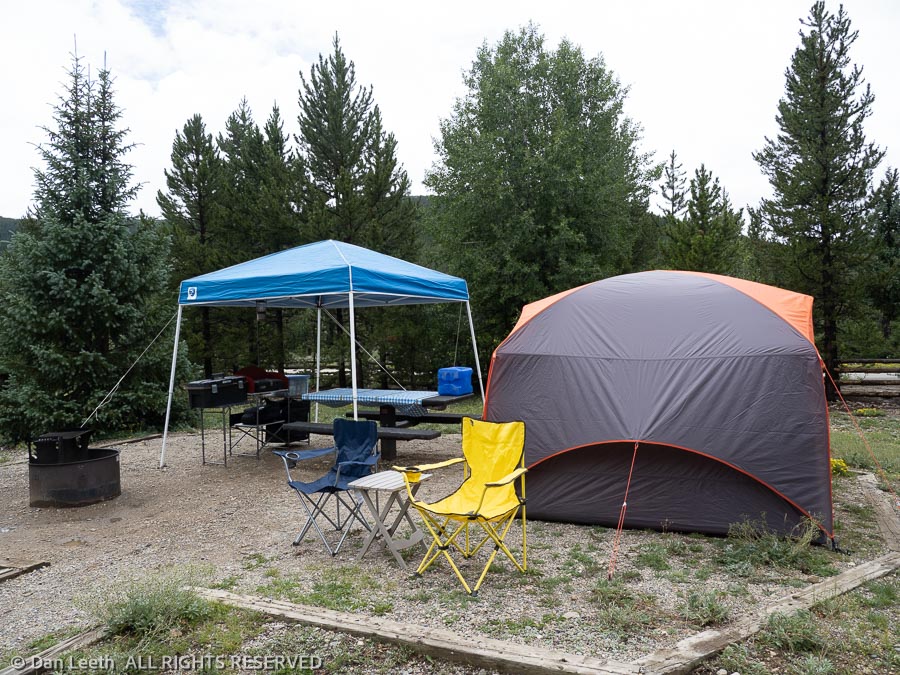
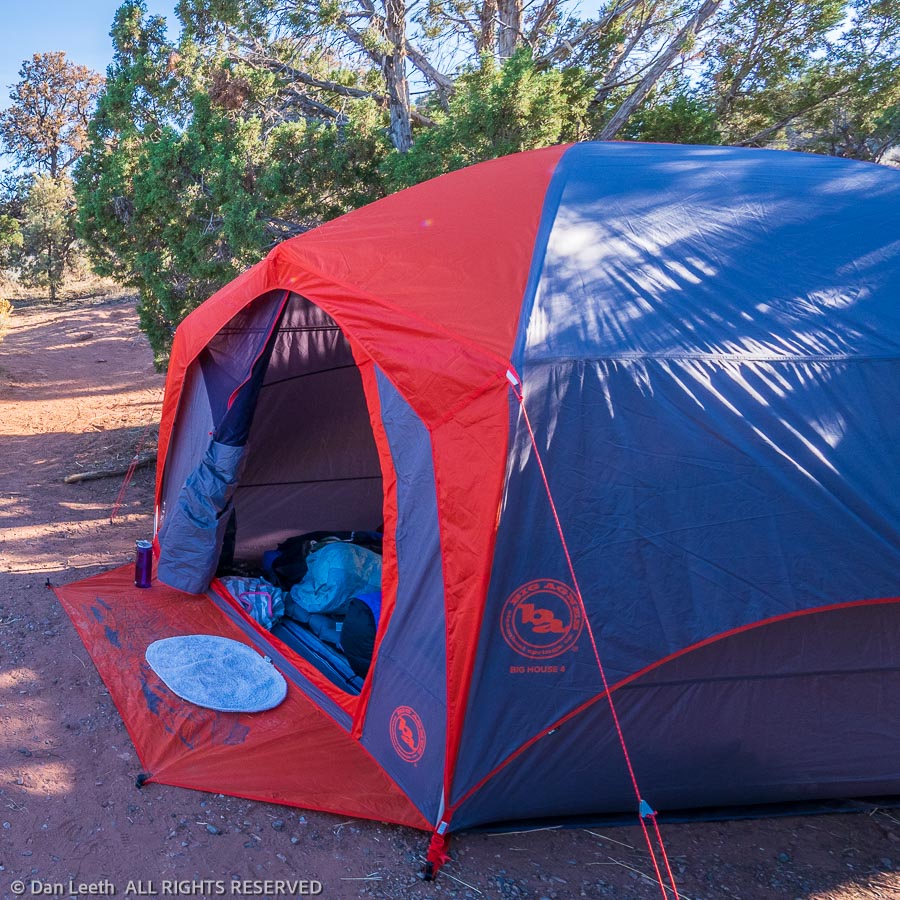
Somewhere between buying a new house in the Grand Valley of Colorado and selling our existing house in Gridlock City, Colorado, we decided we needed camping escape.  I was able to reserve a last-minute site for three nights at a Forest Service campground at the far end of Turquoise Lake near Leadville. 

It didn’t make sense to drag the trailer up for such a short stay.  Instead, we packed up the tent, filled a cooler with beer (and food) and headed for the hills.
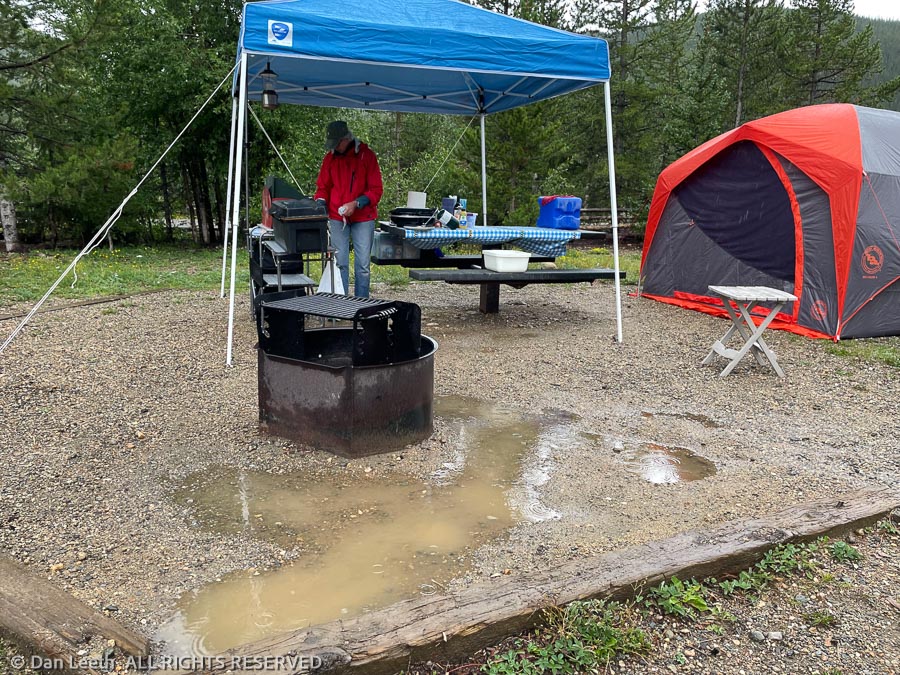
Naturally, it rained before we got there, and it was still sprinkling as we set up the tent.  We brought along a fold-up sun canopy, which served as a rain umbrella over the picnic table and kitchen.  The campground wally came over with a broom and swept water from a depression in front of the campfire ring.
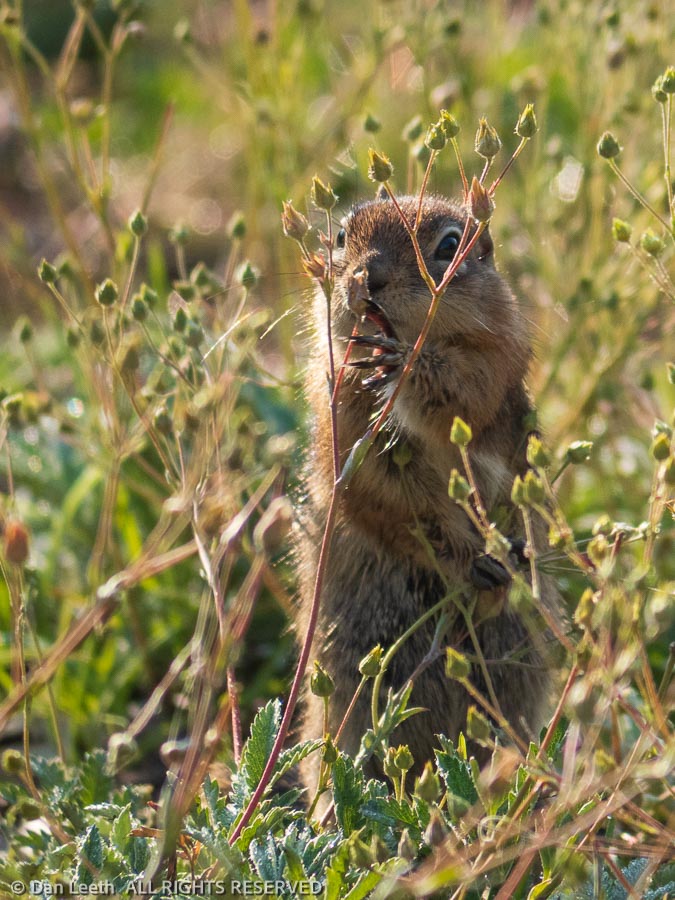
The soft, overcast light made the wildflowers glisten.  Chipmunks scurried around grabbing seeds from low-hanging plants.  They were soon joined by a bevy of jack-style rabbits.  I threw a telephoto lens on the camera and shot dozens and dozens of photos, hoping to capture the perfect pose.  Unfortunately, the critters proved to be more than a bit camera shy.
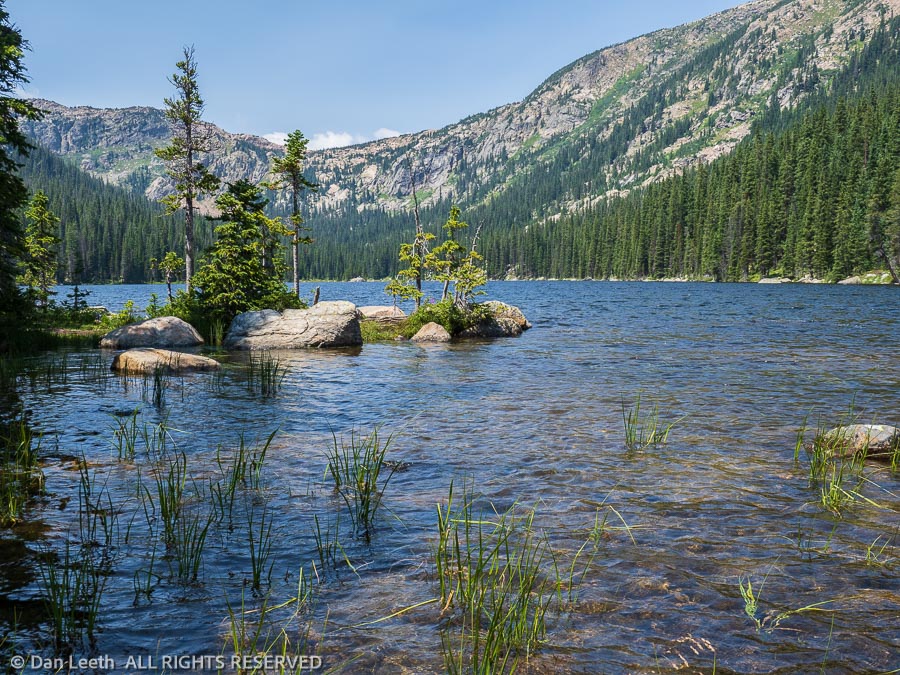
The rain stopped and the next day we went for a hike.  Our destination was Timberline Lake, located a few miles away in the Holy Cross Wilderness.  Other than one stream crossing where we had to strip off hiking boots and wade across, the route was scenic and easy to follow.  Unfortunately, smoke from California wildfires smothered distant views.

Along the way, my fungus-loving wife noted a preponderance of mushrooms growing beside the trail.  She bemoaned not bringing her mushroom book and knife.
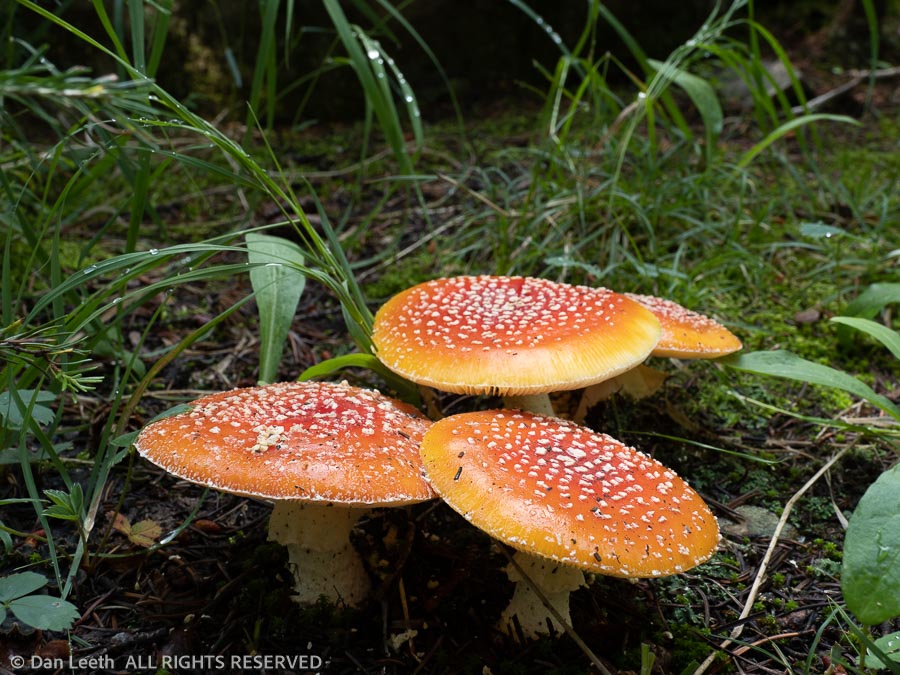
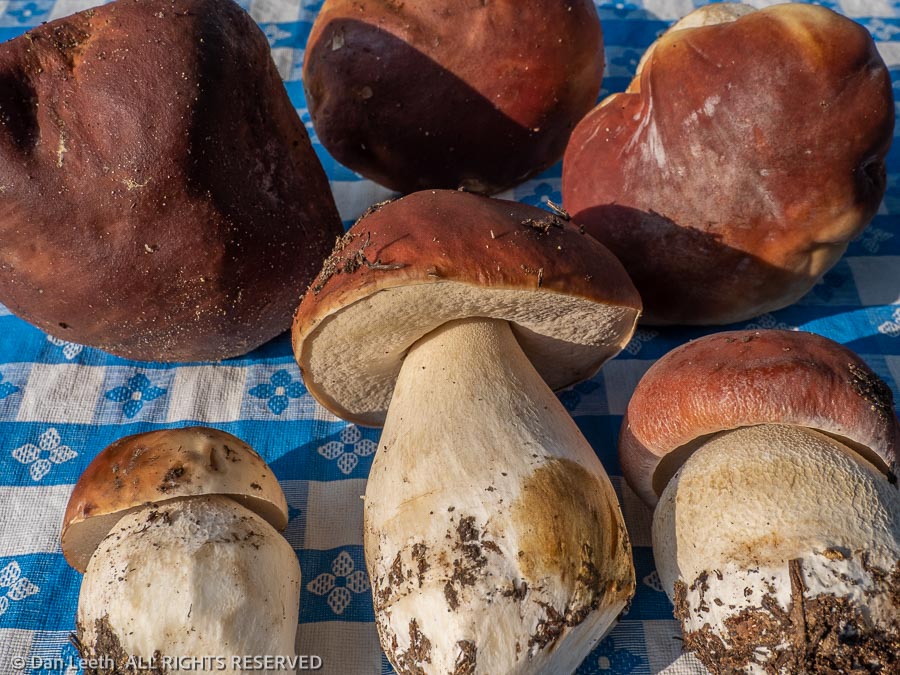
One of the nice things about camping is the willingness of fellow campers to share information and experiences.  The couple camped directly across from us had come specifically to harvest the fungus and invited Dianne to join them on a short mushroom-harvesting hike.  My lovely wife came back with over four pounds of tasty Boletes mushrooms.
Besides providing a sanity break, a second purpose for our camping trip was to gather material and photographs for my Colorado Camping column in Colorado Life magazine.  We spent our second day driving around Turquoise Lake, shooting shots and checking out alternative campgrounds.  This travel writing is tough work, but somebody’s got to do it.
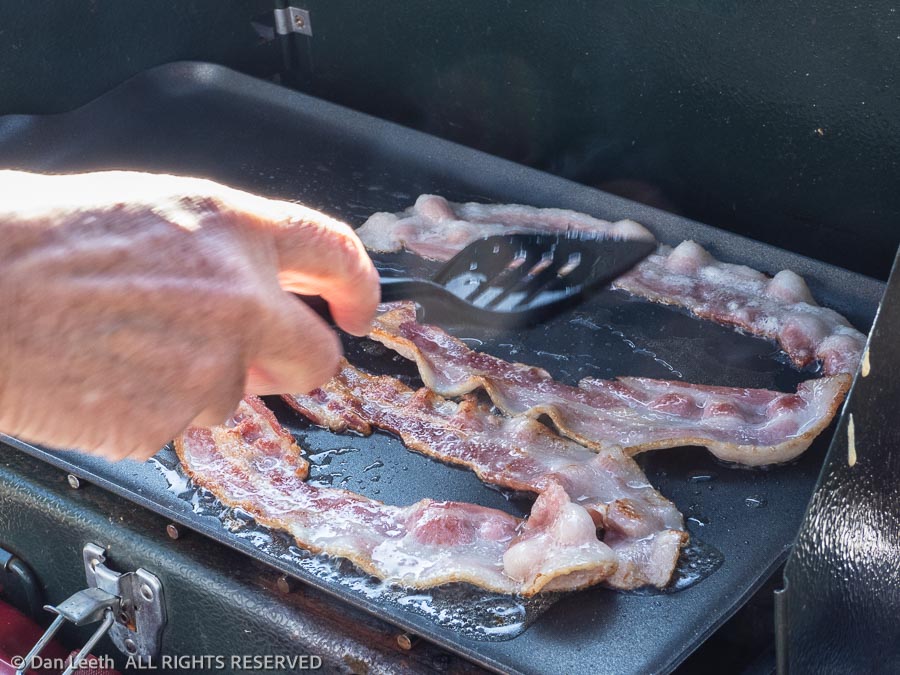
After the traditional camper’s breakfast of bacon and eggs on our final morning, we packed up the tent and cooler (no beer in it now) and headed for home.
No More

As fate would have it, this would be the second and last time we would use this Big Agnes tent. 

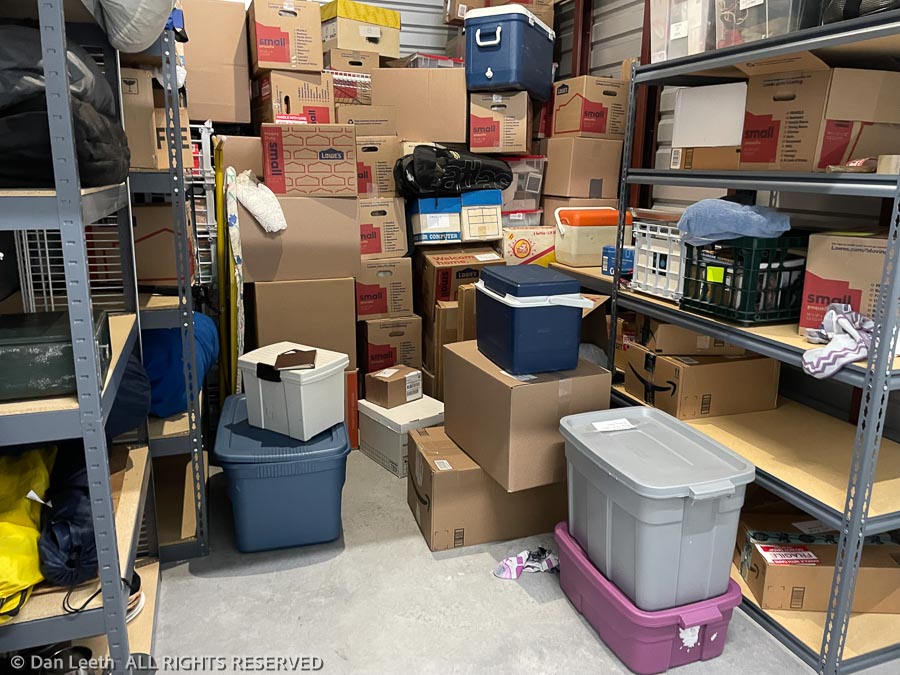
All our tent camping gear (and everything else from our soon to be sold house) was placed in climate-controlled storage lockers at Extra Space Storage in Aurora.  On the night of August 25-26, someone drilled out the lock to our unit and stole a few thousand dollars’ worth of our possessions.  The missing items included our tent, sleeping pads, cooking gear, a portable Coleman grill and our Yeti and RTIC coolers (fortunately with no beer inside). 

Hopefully, the insurance company will come through and we will be able to replace the camping gear.  Until then, we’ll only be camping in the luxury of our trailer.

Loser of the Rings

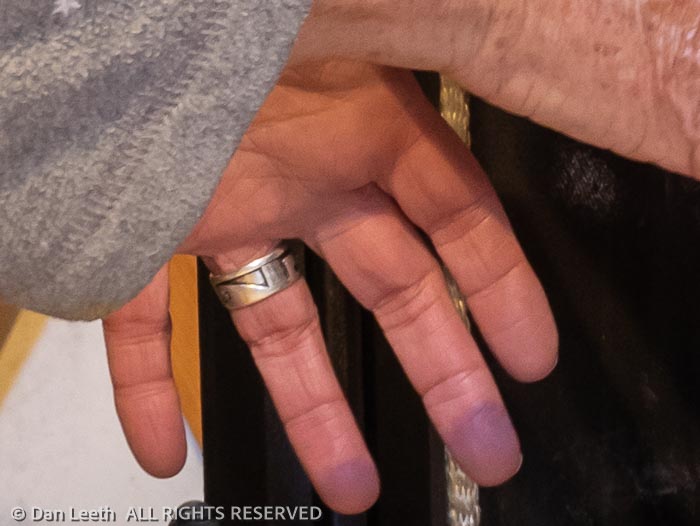
Dianne must have had fat pinkies when we married nearly 39+ years ago.  Now that she’s matured, her fingers have apparently shrunk.  Her Hopi-crafted silver wedding band became so loose, it could slip off while she simply washed her hands.

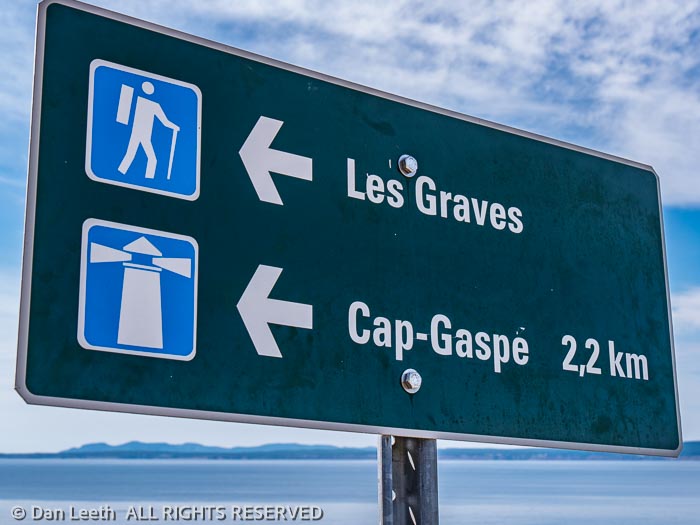
That’s what happened at a campground on the Gaspe Peninsula in French Canada.  Naturally, the sink she was using did not have a grid to keep falling rings from dropping down the drainpipe.  A young man from the camp office worked on the drainpipe for over an hour before finally succeeding in removing the P-trap and retrieving the ring.

In America, they would have closed down the ladies’ shower/restroom while the man worked inside.  But this was French Canada.  None of the female campers seemed the least bit concerned that there was an adult male working in the female restroom.

Now, one would think that dropping the ring down the drain would be a fair warning for us to either get it resized or at least feed Dianne more finger-fattening food.  We didn’t do either.

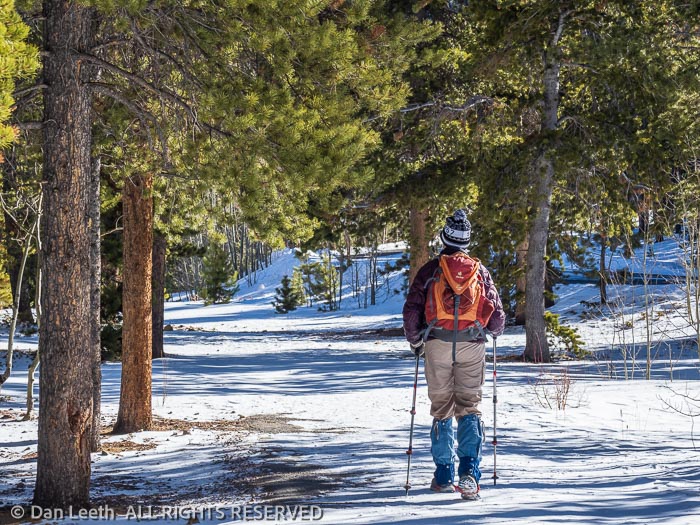
Last winter we camped for two nights in a yurt in the mountains west of Golden, Colorado.  On our layover day, we went for a hike over the snowy terrain.  Somewhere along the way, Dianne took off her gloves and the ring came off, too.  It would have been tough to find in the snow if she’d immediately realized it was gone, but she didn’t.

Sometime in the middle of the night, my lovely wife realized that her ring finger was ringless.  We searched the yurt and the park restroom in the hopes she had just taken it off and set it down somewhere.  No such luck. 

It would have been futile to try to find a tiny ring somewhere along a five-mile, snow-plastered trail.  That left us with two choices.  Get a divorce or buy a new ring.  Dianne chose the latter, it being the lesser expensive option.

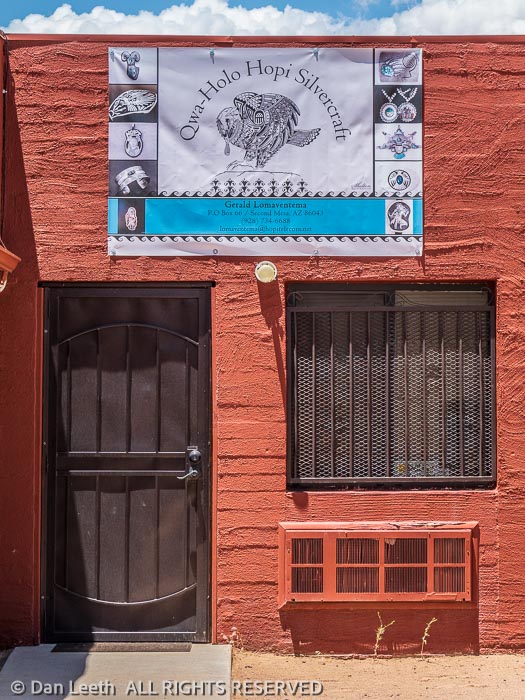
With Covid shutting down the Hopi reservation, we would have to wait.  Our opportunity for ring replacement came in late June when the reservation partially reopened.  Dianne contacted a Hopi silver-craftsman and commissioned him to craft a ring with a design matching mine.  Rather than having the ring mailed to us, we agreed to pick it up at his shop in Second Mesa, Arizona.

By the shortest route, Second Mesa is a 1,265-mile roundtrip drive from our home in Aurora.  Being the travelers that we are, we chose to make it a four-night journey.  Instead of camping, it would be a road trip with us dining on local fare in non-chain restaurants and bunking down in classic motels/hotels with character. 

I’m excited. It’s time to let the tires roll.

Ringing the Four Corners

Our route to the ring would be a four-state loop through the mountains and deserts of the Four Corners region of the American Southwest.  The first stint involved crossing the Front Range over Kenosha Pass across South Park and on to the Arkansas River Valley. 

Doing the local food thing, we stopped for Mexican food in Del Norte.  Then it was over Wolf Creek Pass on U.S. 160, which some call the North Texas Scenic Byway.  Out here, one typically sees more Texas license plates than Colorado ones.

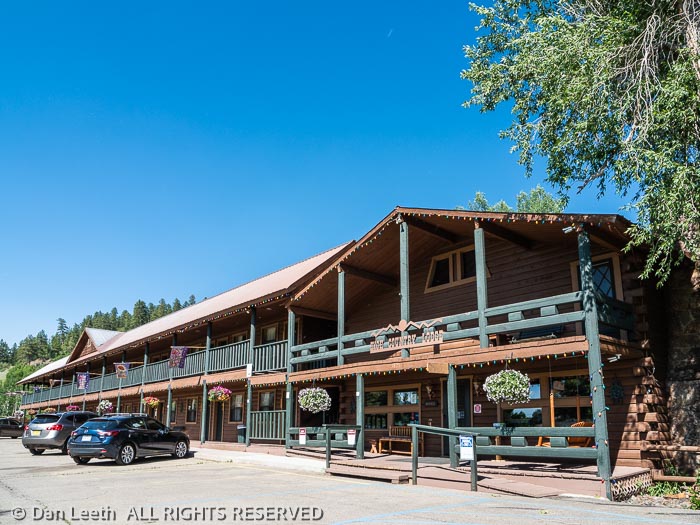
Our first motel stop was the High Country Lodge located a few miles east of Pagosa Springs, Colorado.  We did a brief tour of the property years ago when I was researching lodging options for a magazine article.  This time, we would actually stay.

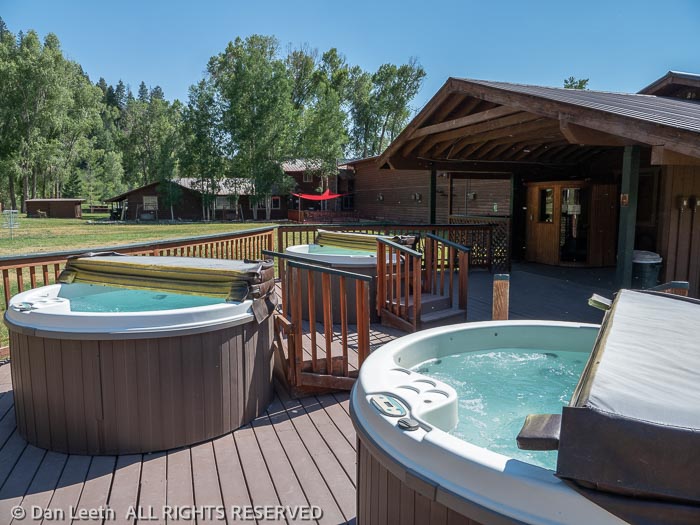
The wood-paneled, two-story lodge sits in the woods not far off the highway.  Rooms are comfortable and quiet.  Out back sits a deck with a trio of hot tubs, each of which can be reserved for private use. 

Inside, there’s a seating area for the free hot breakfast and a small bar, with Mona, the lodge owner, serving as bar tender.  Her margaritas (two ounces of Cuervo 1800 and one ounce of orange brandy combined with a bottled mix of key lime and grapefruit juice) are outstanding.

Next door to the lodge sits the Old Miner’s Steak and Chophouse.  We were told that they require advance reservations for dinner.  A fellow lodge guest without dining reservations did go over and ate at their bar, but we chose otherwise.

Still stuffed from lunch, we just stayed in our room and ate a bag of Smart Food popcorn while watching a Hallmark Channel chick-flick (cute girl falls in love with studly guy, screws up, gets rejected, but then gets the guy back for a happy ending).

From Colorado to Utah

After our free breakfast the next morning, we hit the road heading for Durango and on to Utah.  In Cortez, we faced a choice.  We could go straight and follow a county road along McElmo Creek to Aneth, Utah or we could take the longer way and follow U.S. and state highways.  Not knowing if the McElmo route was paved all the way, we opted for the longer route.  Our little Mazda is not a dirt-road car.

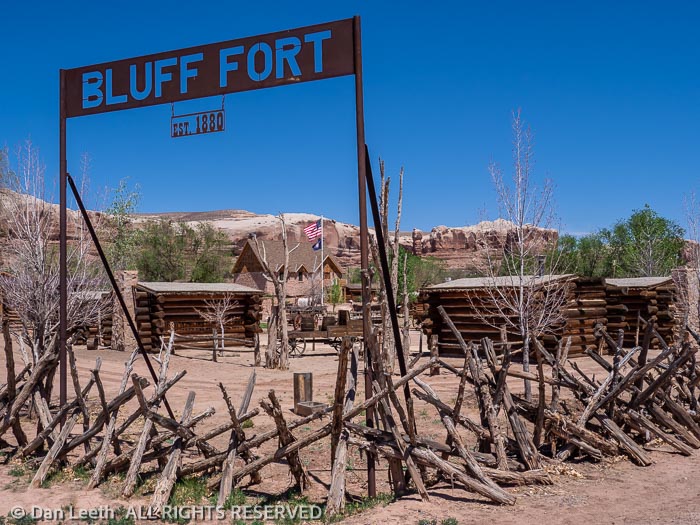
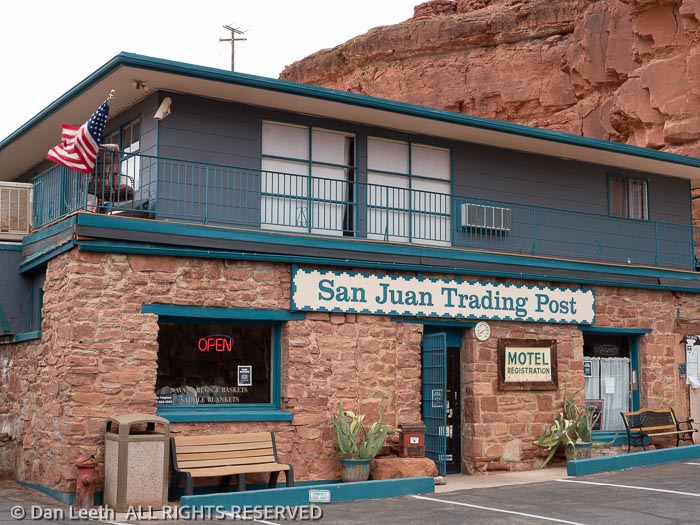
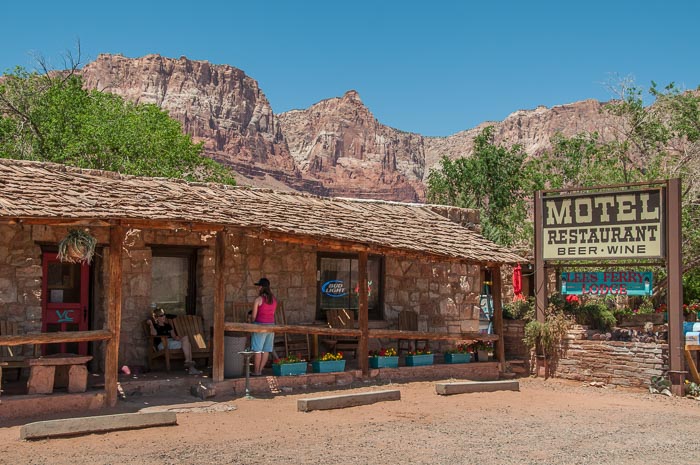
From Aneth, we headed onward to Bluff where we stopped for ice cream cones at Bluff Fort, an LDS church-run outpost/museum honoring the founders of this little, environmentalist-friendly town along the San Juan River.  We continued west to Mexican Hat where the highway crosses the river.  Our motel, the San Juan Inn sits next to the bridge on the cliffs above the river.

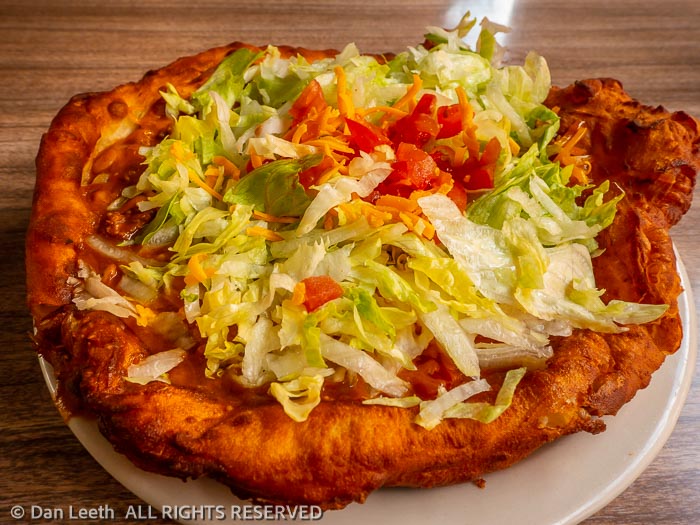
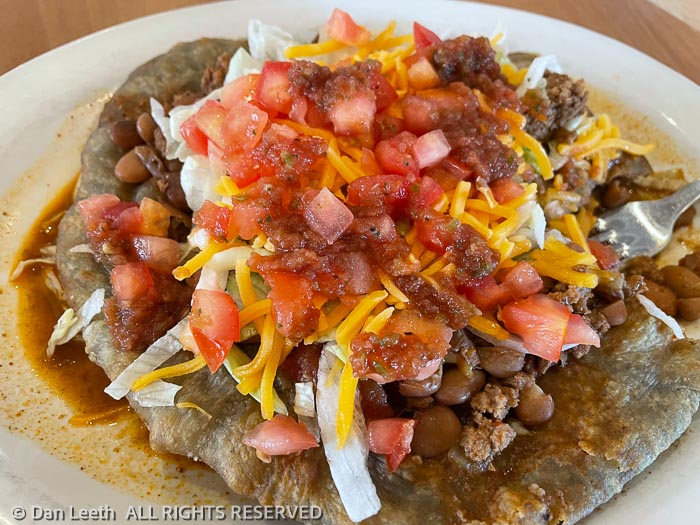
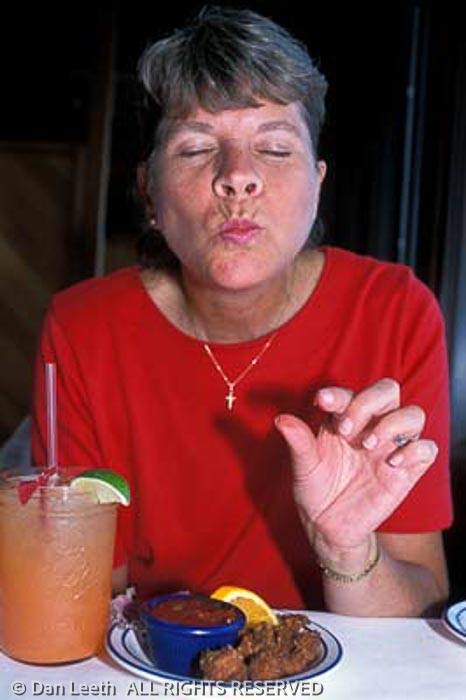
While we’ve only stayed at the Inn once before, we’ve stopped here for food many times.  Their restaurant serves one of the best Navajo tacos we’ve found this side of the reservation.  For the uninitiated, let me explain that a Navajo taco is a flat sheet of fry bread covered with ground beef, pinto beans, lettuce, tomatoes, cheese and other goodies.  I have to say the ones we had on this trip didn’t seem as good as what we’d had before, but the beer was better.

Run by members of the alcohol-abstaining LDS church, the state of Utah has had some of the most restrictive liquor laws around.  One of them was that all beer sold in grocery stores and served at normal restaurants could contain no more than 3.2 percent alcohol by weight.  That’s four percent alcohol by volume (the measuring system used by the rest of the world), which is less than Coors Light.

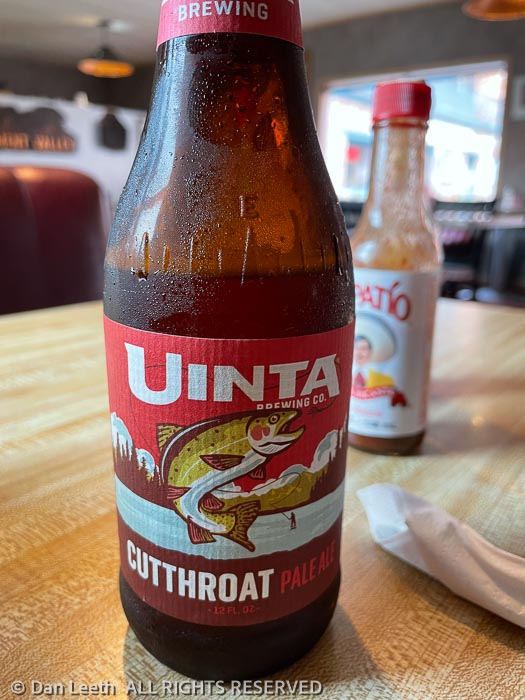
Dianne is a notorious label reader.  No product in the grocery store reaches her cart without her reading the package’s label in its entirety.  As we were tasting our tacos, she read the label on her beer. 

“Five percent ABV,” it said.  Mine said the same. 

When asked, our waitress said that last year, the legislature changed the rule to now allow real beer (5% ABV maximum) to be sold and served.  To make up for the increase on the beer side, they lowered the threshold for DUI to 0.06% BAC (the rest of the country is 0.08%).  Good ol’ Utah.

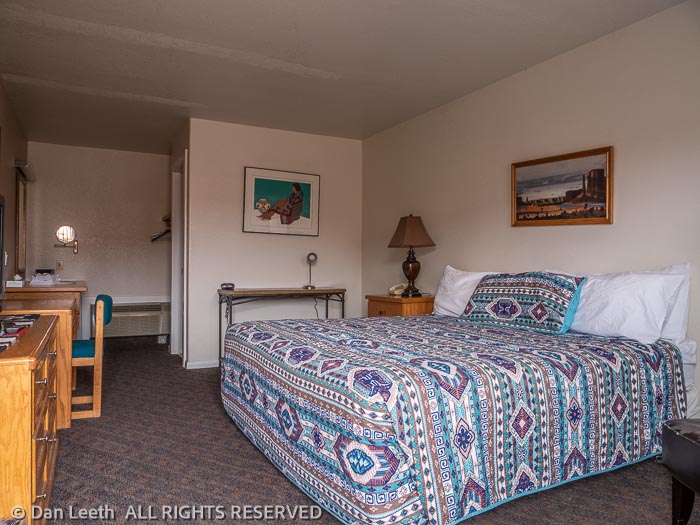
While the room was comfortable, what we liked about the place was the abundance of places to sit outside and admire the environment.  With glasses of wine in hand, we watched the setting sun light up the sky, saw a heron swoop overhead and perch on the motel roof and we listened to the braying of the miniature donkeys, which live along the river below.

On to the Lord of the Rings

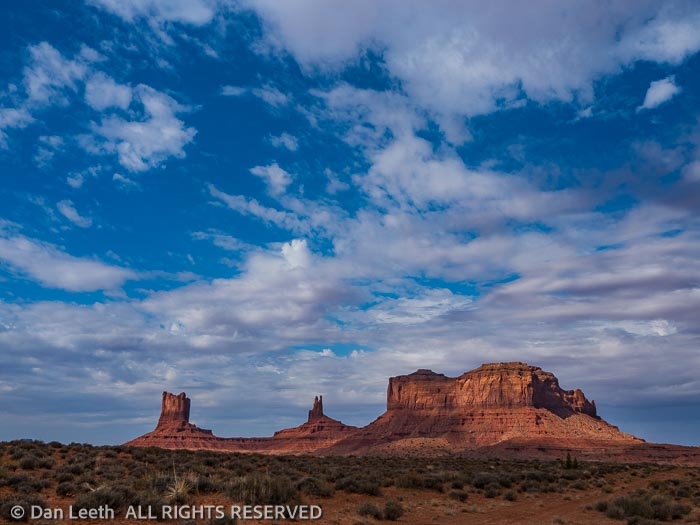
While an American breakfast of sausage and eggs would have been more to my liking, Dianne had some leftover banana bread she wanted to eat for breakfast.  I opted for Hostess doughnuts purchased at the gas station mini mart instead.  Tanked up with fuel and sustenance, we set off across the San Juan River and onto the Navajo Reservation, passing Monument Valley along the way.

Our destination, the Hopi reservation, lies wholly within the Navajo reservation, and there are several roundabout ways to get there.  Lacking an Arizona road map (always come prepared), we looked up alternative routes on Google.  The online map showed a nice direct, reservation road that would take us directly to where we wanted to go.  We decided to check it out.

The first few miles led up past the Peabody Coal Company’s Black Mesa Mine.  It was paved and in better condition than much of I-70 in Colorado.  Thinking it would be like this the whole way, we continued onward. 

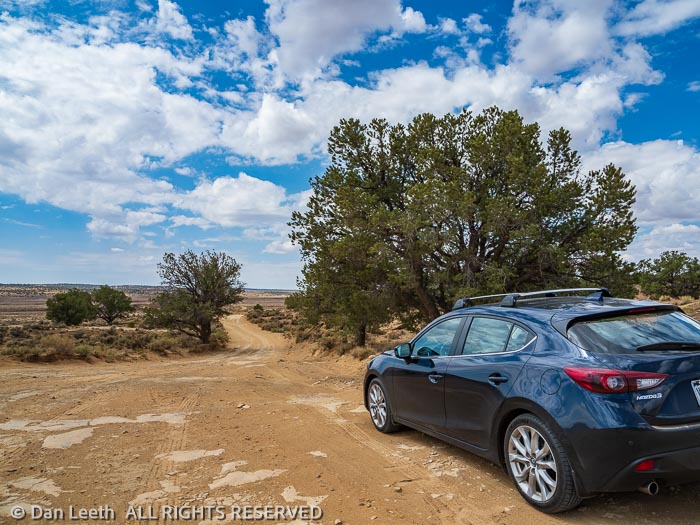
Miles inland, the pavement stopped, and gravel began.  Too far along to blindly turn around, we bit the bullet and continued onward.  In spite of being on an Indian reservation in the middle of nowhere, we amazingly maintained cell coverage and thus, Google map coverage. 

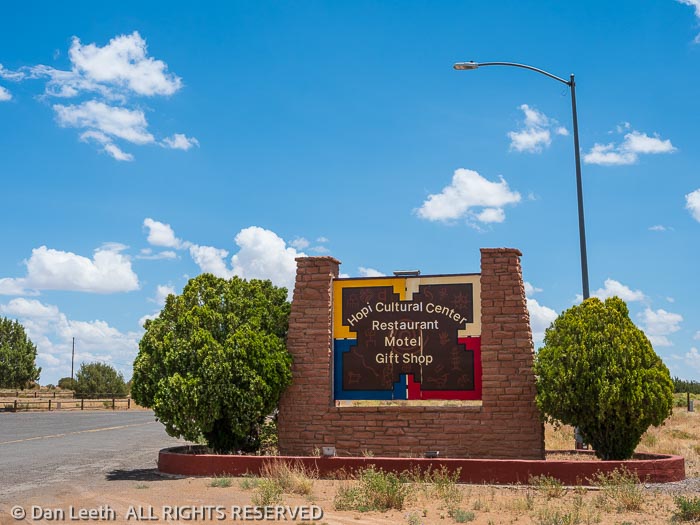
Every time we came to a junction, Dianne (a descendent of Wrong Way Corrigan) would consult Google to determine which way to go.  After a lot of dirt-road miles with a couple of wrong turns, we arrived literally right next door to the Hopi Cultural Center, our destination.

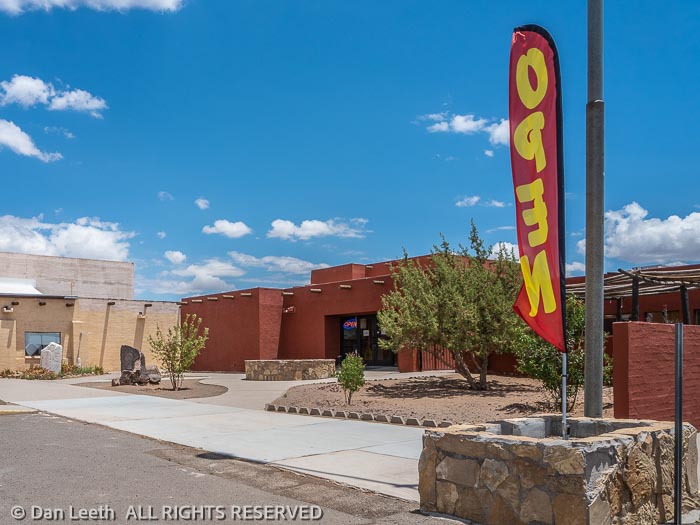
We arrived a bit earlier than planned and our silversmith-jeweler, Gerald Lomaventema, was not at his shop.  Dianne eventually reached him by phone and found out he had a function he had to attend that morning but was on his way. 

While waiting, we ordered lunch at the Cultural Center’s restaurant.  Naturally, we ordered Hopi tacos, these coming on blue corn frybread.  Much better than last night’s fare, even without any beer.

Gerald arrived and brought out the ring.  Dianne put it on and found it was a bit too big.  “I can fix that,” the craftsman promised.  “We’ll have to go to my studio, however.”

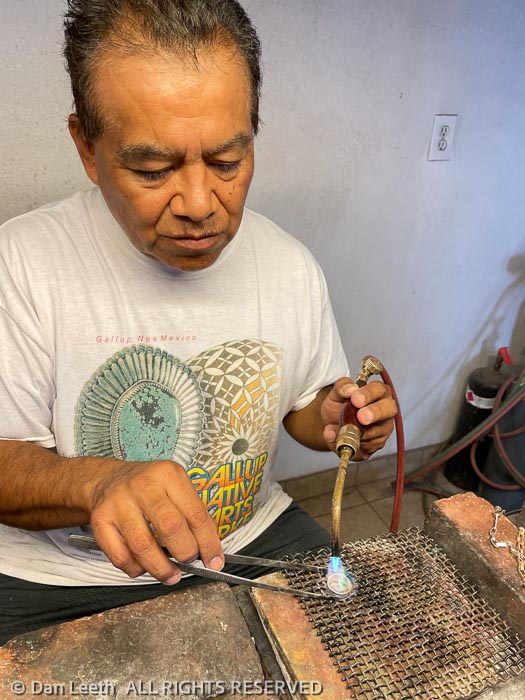
We followed him past a sign saying passage beyond was not open to non-natives and on to his house.  There in a shop the size of a double-car garage, he cut and resoldered the ring into a smaller version.  It was still too large for Dianne’s petite pinkie. 

“I can fix that,” the man said.

Gerald repeated the process about six times until the right size was obtained.  While he did this, his wife took my ring and some other Hopi jewelry Dianne brought with her and reoxidized the black and repolished the silver.  Mine came back so shiny, I could use it to reflect sunlight onto any rescue planes searching for us should we try to recross the reservation on those back-of-beyond Indian roads.  Fortunately, we had nothing but paved highways from here to our next stopover in Gallup.

Giddyup to Gallup

I grew up in Arizona and spent a fair part of my youth exploring parts of New Mexico.  I’ve passed the exit to Gallup many, many times when traveling I-40 from Flagstaff to Albuquerque.  Other than filling the gas tank, I’ve never had much of a reason to explore the town.

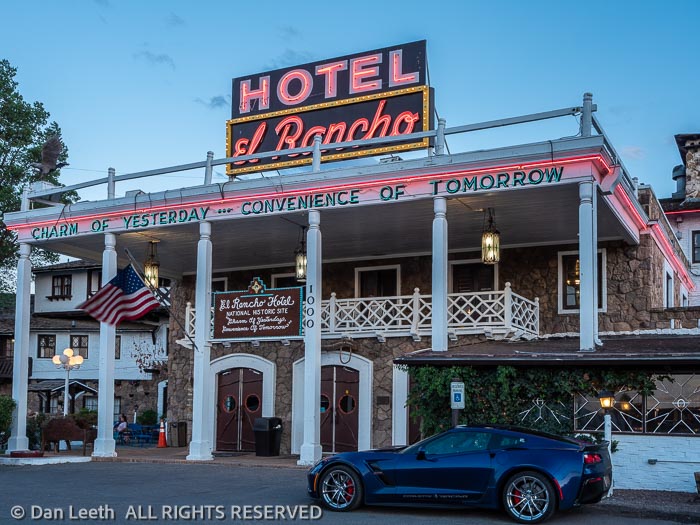
As a travel writer, I’ve been invited to countless events where tourism reps from various places promote their properties by plying us writers with free food and drink.  One such event was sponsored by New Mexico tourism.  The young lady representing the city of Gallup made a big deal out of the El Rancho Hotel on historic Route 66, which she claimed was a popular spot for movie actors.  We would check it out.

When we arrived, the parking lot was filled bumper to bumper with cars.  We finally found a spot in a side lot next to a worksite filled with rolls of carpet. 

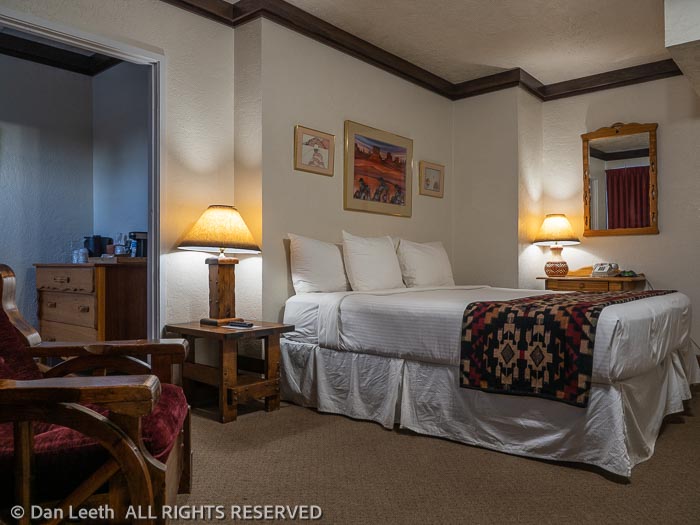
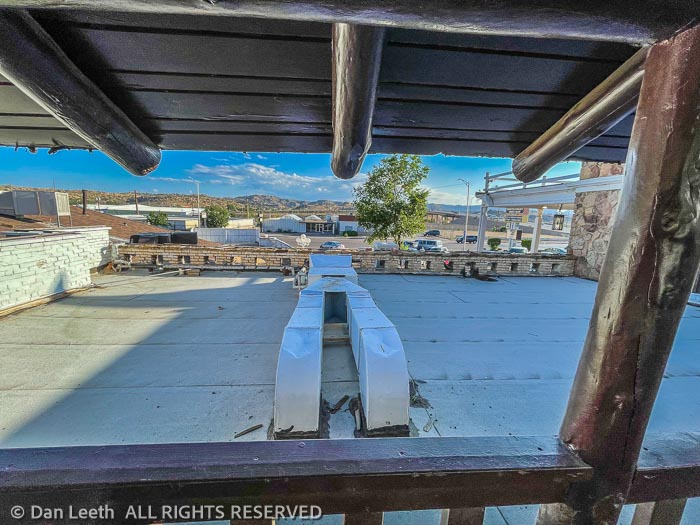
Our second-floor room was spacious and had access to a balcony shared with three neighboring rooms. It offered an excellent view of HVAC ducting with the parking lot, highway and rail tracks beyond.

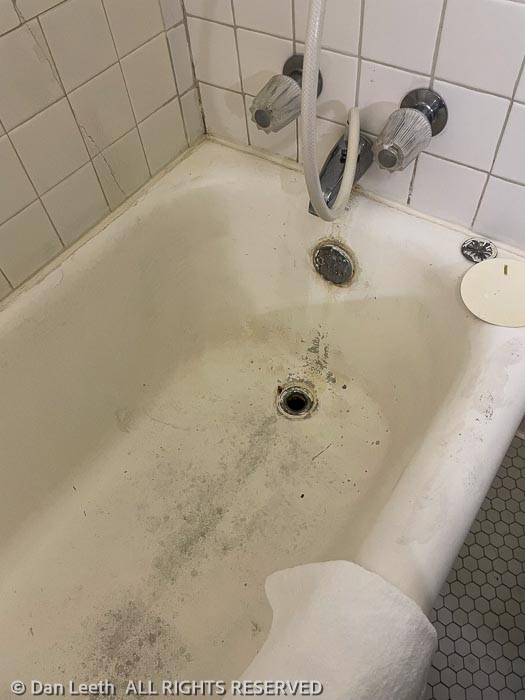
The bathroom was tiny, bearing a sink with no counter. The pitifully worn-out bathtub could have been a reject from the Bates Motel.

El Rancho Hotel, Gallup, New Mexico.

The hotel lobby, however, was a photogenic gem, the kind of place one would expect in a classic, Indian-country hotel.  The restaurant beyond, was a bit disappointing, but the food was good and the margaritas drinkable.  I had planned to order a good ol’ American breakfast there the next morning but ended up with breakfast enchiladas instead.  The sausage and eggs would wait.

“How was your stay?” the young desk clerk asked when we checked out.

“It was okay,” I answered, refusing to say anything more.

Gambling on the “other Las Vegas”

A road trip these days frequently involves interstate highways, and for us, it would be nothing but divided highways to home.  We tanked up with fuel, bought a bottle of wine at Safeway, a venti of Komodo Dragon brew at Starbucks and with cruise control set for 75, we were on our way.
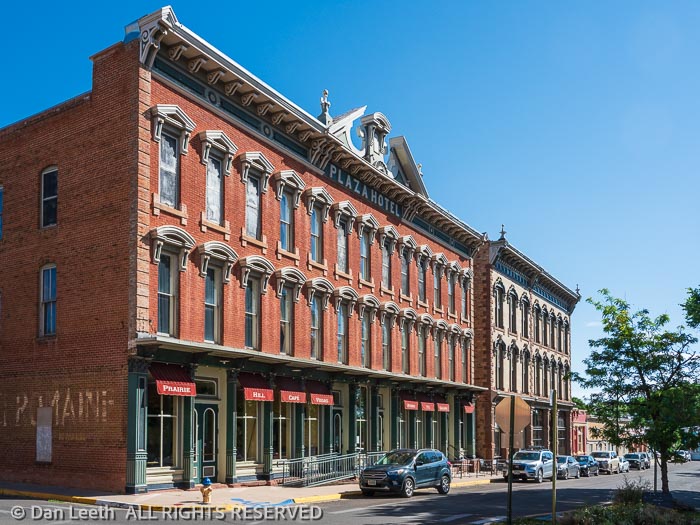
Speeding down I-40, we breezed into Albuquerque and turned north onto I-25 heading toward Denver.  Cruising past Santa Fe, we continued north to the turnoff for “the other Las Vegas,” the one in New Mexico.  Here we had reservations for a plaza-view room at the old Plaza Hotel. 

The room was spacious and bathroom clean and inviting.  The view overlooked Plaza Park, a grassy enclave where we were told a band would be playing later in the afternoon.  We got a recommendation for a good Mexican restaurant and decided to check out their margaritas before the music started.

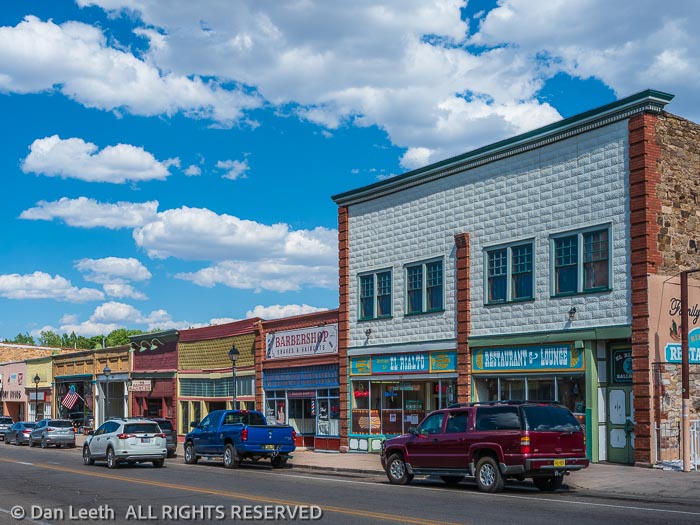
One would think that in a Spanish colonial-style town of 13,000 whose downtown features art galleries, storefront lawyer offices a classic barbershop offering shaves and haircuts, an afternoon concert would feature mariachi music or maybe country western or bluegrass. 

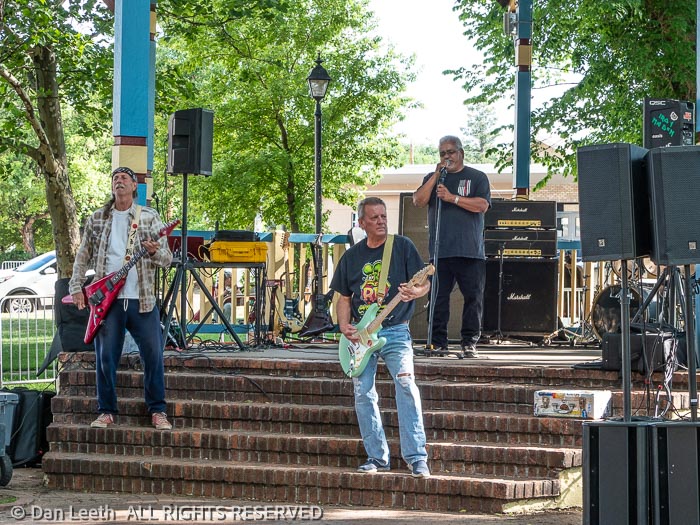
Nope.  This afternoon’s entertainment was head-banging, ‘80s-era hard rock.  They were pretty good (loud), but let’s just say a little went a long way.  With the concert still going, we retreated to the Mexican restaurant for dinner.

Hard rock band playing in the plaza, Plaza Hotel, Las Vegas, New Mexico.

In a state, whose official state question is “¿red or green?” (referring to flavor of the chiles), I knew I wasn’t going to stoop down to ordering a good ol’ American breakfast the next morning.  Following the recommendation of the front desk clerk, we walked to a little mom ‘n’ pop Mexican restaurant. 

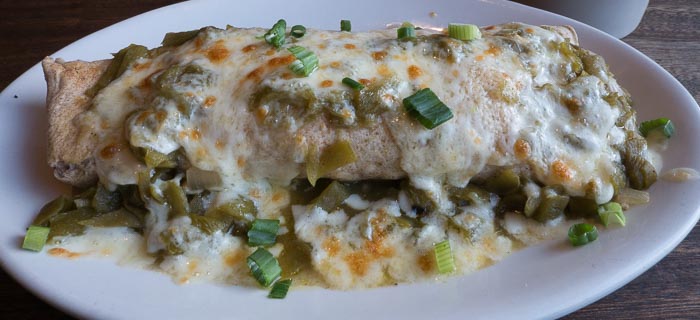
While I’m downing a breakfast burrito, the owner comes by, introduces himself and over a few minutes of quiet conversation, reveals a few tidbits of his life story.

Other than the challenge of trying to find an empty bay at a gas station in Raton (we’d like to welcome all of you Colorado-bound Texans), it was an easy drive from here to home.
Road Trip Reminising

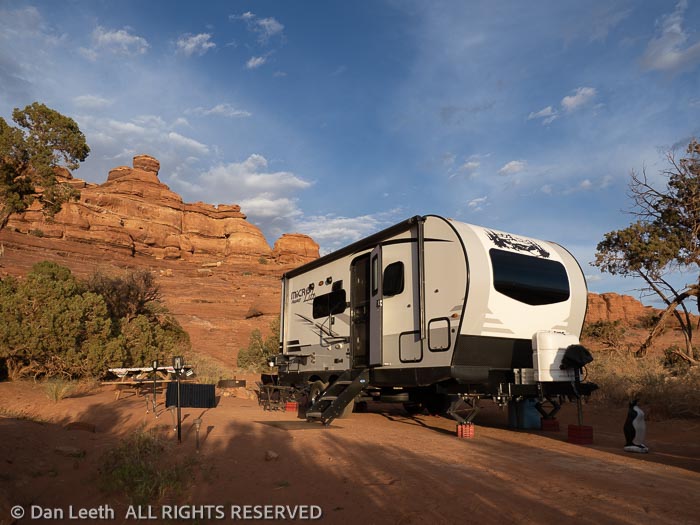
Compared to camping, road trips offer numerous advantages.  Driving a small, nimble, pavement-hugging car is more fun than cruising in a three-ton truck pulling a three-ton trailer.  I can just put the car in cruise control and actually pass other vehicles on the highway, such as slow-moving trucks pulling trailers.

We can easily stop at any roadside attraction of interest along the way, we burn far, far less fuel (35 mph vs 8 mph) getting there.  On longer trips, the gas savings can be enough to cover the cost difference between a campground site and a cheap, Super 8-quality motel room.
It takes minutes to check into a motel and minutes to check out.  Even if we remain hooked up in a pull-through campsite, it typically takes us an hour or more to set up or take down.

On a car trip, we often have a choice of lodging options ranging from rooms in cheap, independent motels to suites in super luxurious properties. 

Best of all (from my wife’s point of view), on a road trip, Dianne doesn’t have to cook.  Instead, we can sample interesting local cuisine prepared by knowledgeable chefs.  Or we can eat at Denny’s.

Maybe I’ve been camping too long, but with all the advantages of road trips, I found our ring road trip a bit disappointing.

With camping, even in the most crowded RV parks, we have quick access to the outdoors.  We can sit outside and feel the breeze, listen to the birds, swat the mosquitoes, admire the sunset and gaze at the stars.  Most motels are places built for staying indoors.

We can walk around the campground and chat with fellow campers.  Few folks say more than “hi” to fellow patrons at a motel, but at a campground, folks are generally more than willing to talk to strangers.

Having gone through a long year of Covid concerns, when camping we enjoy a feeling of safety when eating and sleeping in familiar quarters shared with no one else. 

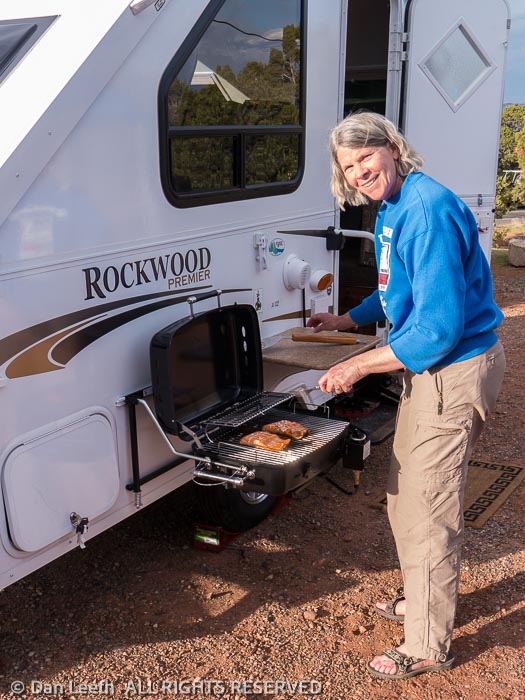
Best of all (from my point of view), my wife (an excellent chef) cooks our camping meals with food purchased in grocery stores. 

It’s far cheaper than restaurant food, usually healthier (I gained three pounds on our ring trip), and I don’t have to leave a tip.

Getting ready

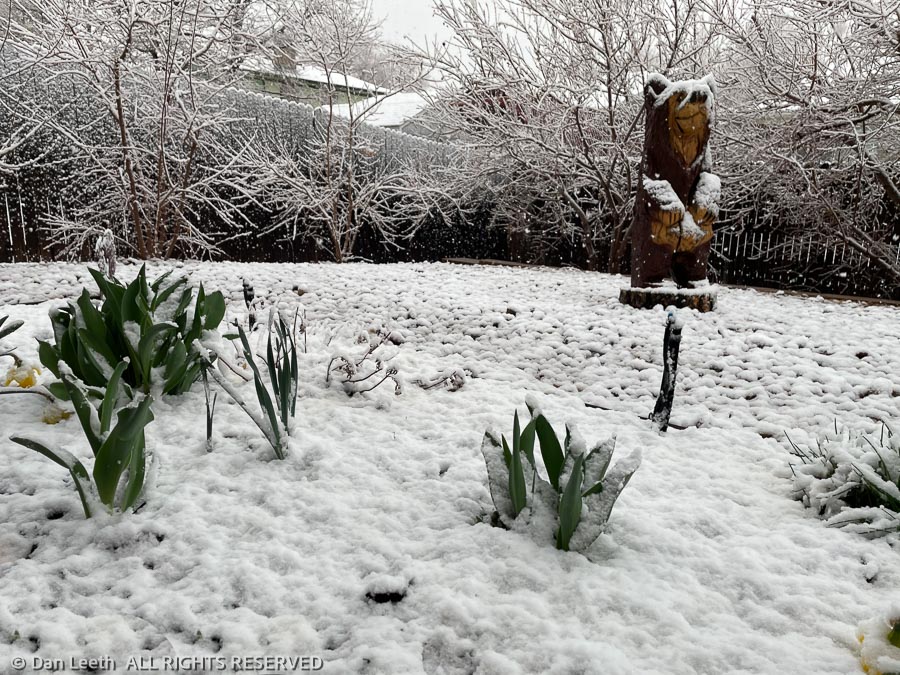
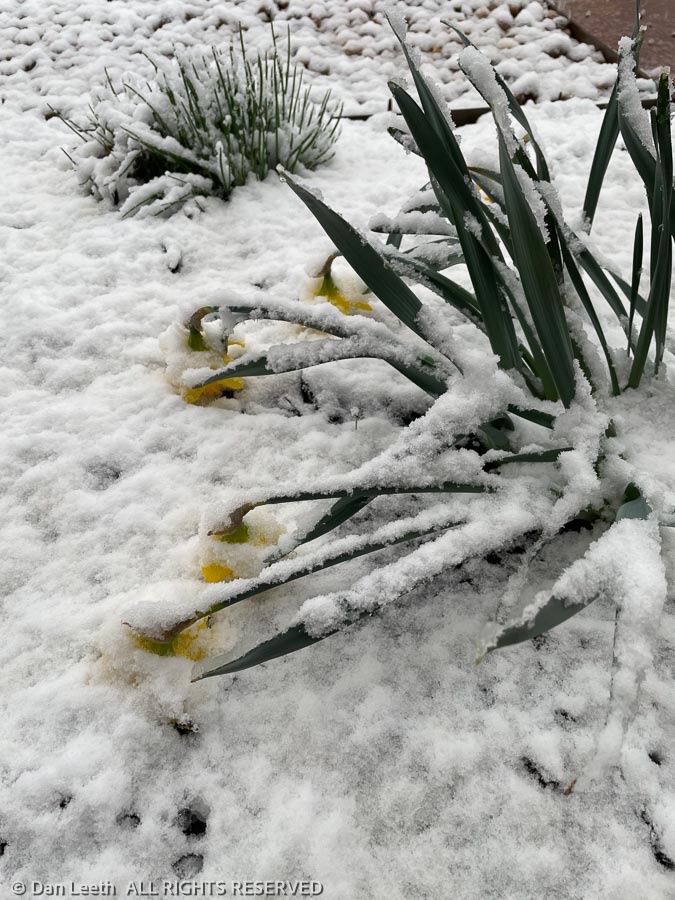
Spring is in the air.  It’s mid-April, and the flowers are beginning to bloom.  Denver temperatures are supposed to be in the 60s with sub-freezing lows long gone for the season.  It should be perfectly safe to turn on the plant watering sprinkler/drip-system and hit the road.

Oops.  This is Denver. 

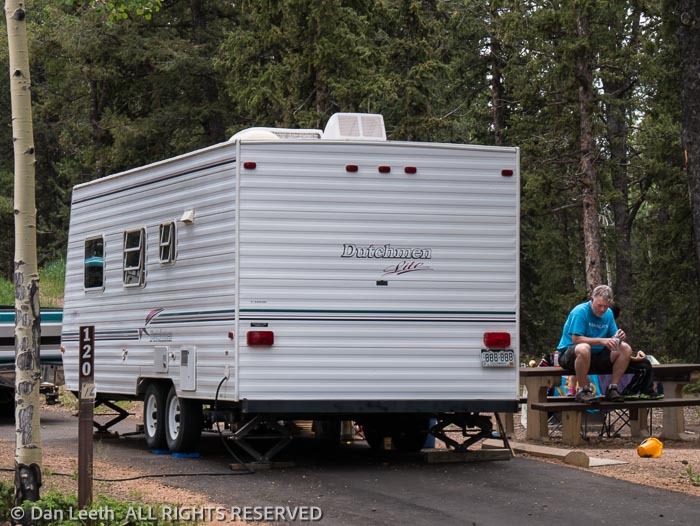
We’ve planned a 36-night camping trip to the canyon country of western Colorado and eastern Utah.  We have friends joining us for the first part of the trip.  Camping reservations have been made and paid for.  The trailer’s been dewinterized and we’re packed.  After enduring a long, Covid winter without leaving the city, we’re eager to be gone.     

Last year, it was that Mexican beer virus that upset our well-crafted camping plans.  This spring, it’s the weather gods who are throwing us a curve. 

Prognosticators are predicting high temperatures barely above freezing with 17-degree lows for the first few days we’ll be gone.  Plants will freeze unless covered, my wife insists, and with temperatures that low, we don’t dare activate the sprinklers. 

There’s only one thing we can do.  Panic.

Putting our heads together, my wife has come up with a plan.  I will pull the trailer solo over the mountains on the one good weather day predicted.  Dianne will stay home and keep the plants covered and happy.

When the weather finally clears, I will drive 250 miles back to Denver, pick her up and return those same 250 miles back to camp.

There is a bright side to this whole plan.  When I pull the trailer, Tighty (our Nissan Titan pickup) gulps gas faster than an alcoholic guzzling the spiked punch at a wedding reception.  I can reach 10 miles per gallon only when going downhill with a tailwind.  Otherwise, it’s in the eights or nines. 

Driving back empty, I’m looking forward to seeing what the fuel economy gauge looks like when displaying double digits.