Wally World

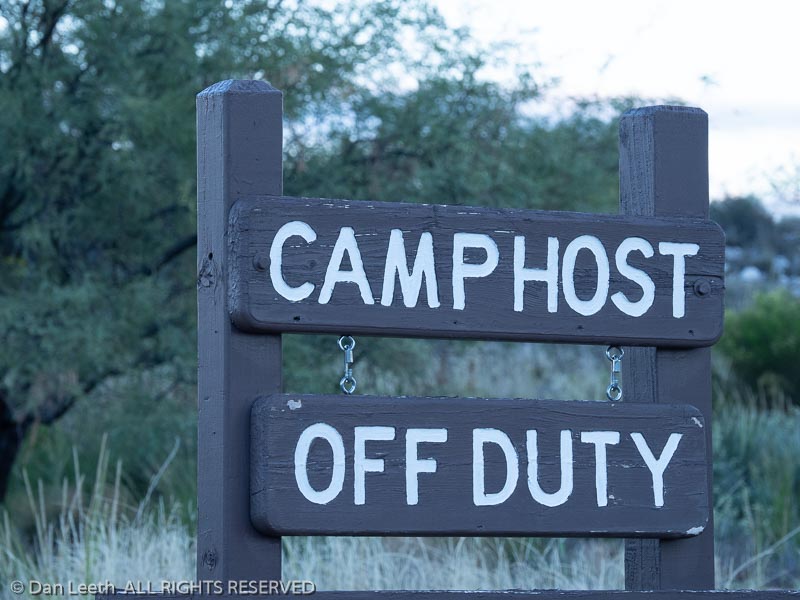
We’ve camped just under 400 nights over the past six seasons, nearly every one of which was in some sort of formal campground.  Nearly every one of them had a “campground host” on duty.  The only places we’ve ever had issues with these park volunteers (we call them “Wallys”) have been in Arizona state parks.

Two years ago, we were camped at Kartchner Caverns State Park in southern Arizona.  Our site had water and electric hookups, but no sewer.  That’s not a problem since we don’t have a bathroom in the trailer.  But we do wash dishes in the trailer sink, which produces “gray water.”  We catch the sink runout in an 11-gallon tote, which we can wheel to a drain site.

Our Kartchner campsite was across from the campground restrooms.  It had an outside sink where folks could wash dishes and dump their dirty dishwater.  We used similar sinks at a national park to drain our tote of dishwater, so we figured that would be the proper thing to do there.

Not so, said the Wally who intercepted me on my way to the sink.  You must dump your dishwater at the trailer dump station.  We discussed the issue and I agreed to tote my tote across the campground to the RV sewer dump.

I thought the issue was settled, but apparently it was not.  She had one of the park rangers drive over to tell us that if we were to so much as even thinking of dumping our sink water anywhere but the RV dump station, we could be subject to a $5,000 fine.

“Why are you telling me this?” I asked.  “I already told the lady we’d wheel it to the dump station.  Did she think we might smuggle our dishwater into the dishwater sink when she wasn’t looking?”

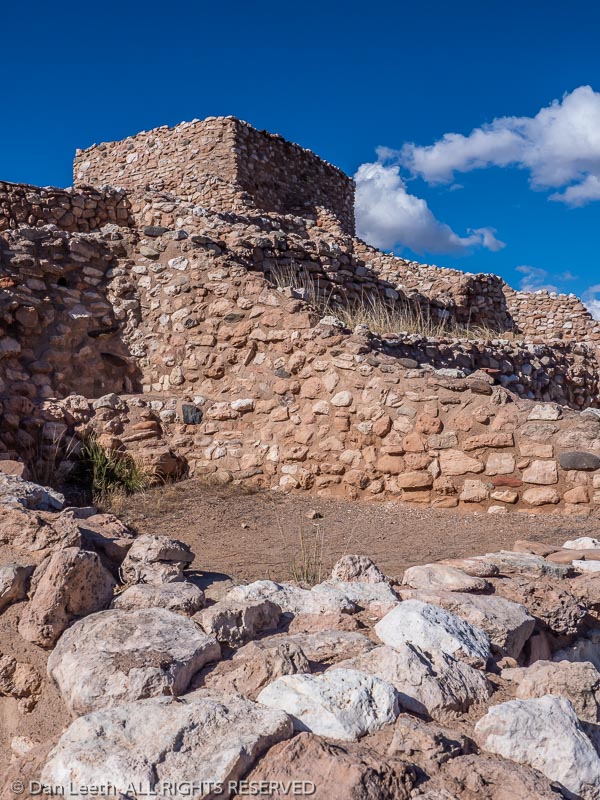
The second incident occurred on our current visit to Dead Horse Ranch State Park located in the Verde Valley near Sedona.  The park is beautiful, the restrooms clean, the hiking trails plentiful and the ranger staff at the Entrance Station/Visitor Center friendly and helpful.  We hiked an eight-mile loop trail from our campsite and explored and photographed three nearby national monuments preserving centuries-old Sinagua Indian sites.
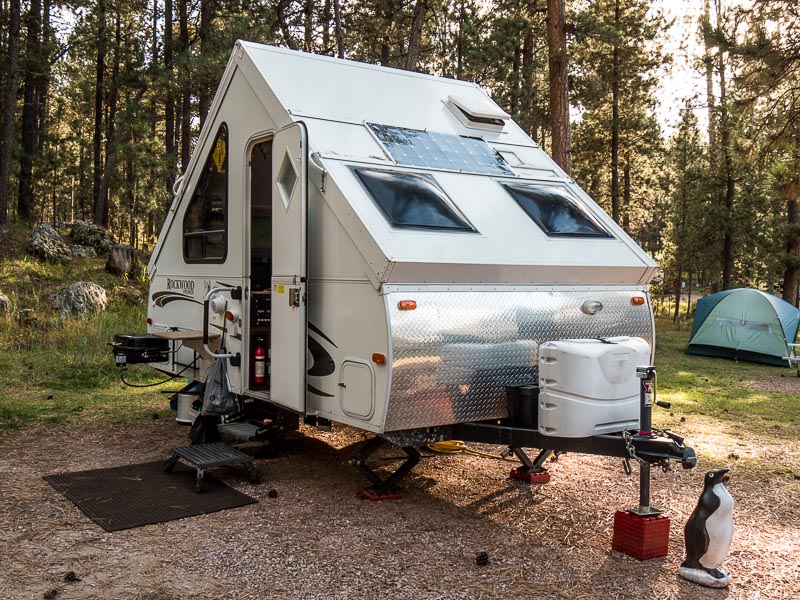
On our way back from one of the sites, we decided to take a look at the park’s group campsite facilities.  We belong to the Aliner Owners Group (yes, ours is a Rockwood but the club graciously lets SOBs–Some Other Brands—join).  They are always looking for regional rally sites, so we thought we’d scope out the group site here.

There were no signs, cones, closed gates or anything else saying the group site was off-limits.   We drove in, made a quick loop through the area and headed out.  An angry Wally flagged us down as we were leaving.

She told us we were not welcome in the group site and began scolding us for violating some unwritten, do-not-enter protocol.  We explained why we were there, apologized profusely and promised never to ever enter the group campsite again.  Her scolding and our apologizes continued for a good five minutes.  Finally we were allowed to exit.  I half expected to receive a ranger visit that evening, but fortunately none followed.
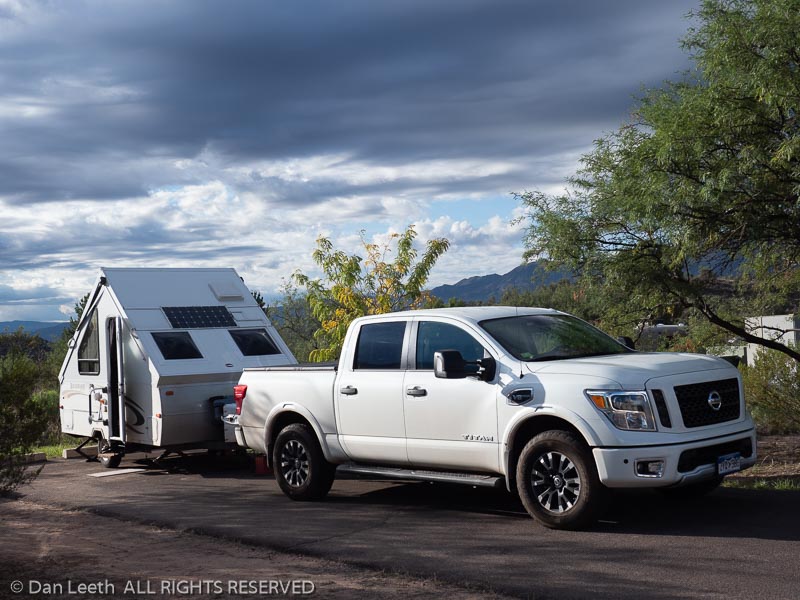
I’m sure the two volunteer hosts were just ordinary people trying to do their job as they best saw fit.  Maybe we were the 15th incident in a stressful day and suffered accordingly.  I love Arizona State Parks and will continue to visit them.

I will just make sure to never enter a group campsite or tote my dishwater to the dishwater sink.
Back Again

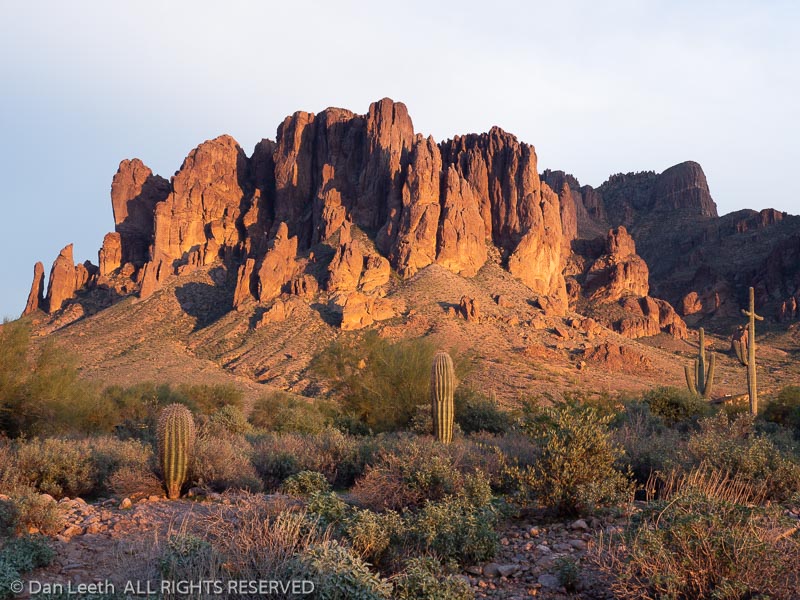
After four nights at Dead Horse Ranch, we drove south to Apache Junction for a two-week stay at Lost Dutchman State Park, which lies at the edge of Superstition Mountain.

For those of you not familiar with the area, the “Lost Dutchman” name does not refer to an inexperienced guy from the Netherlands who ventured into the rugged backcountry without a map.

No, it refers to a 19th century prospector from Germany (Deutschland) whose supposedly rich gold mine was “lost” in these desert mountains.  Over the last 130+ years, hundreds (thousands?) have tried to find this misplaced treasure trove.  “Dutch Hunters,” they’re called.

We’re “Jack Hunters.”

Instead of searching for the elusive mine, Dianne and I are hoping to photograph the rare and endangered Superstition Mountain jackalope.  This is a rabbit-like creature with antlers.  We found a stuffed one at the Tortilla Flat restaurant and giftshop, so we know we were on the right track.
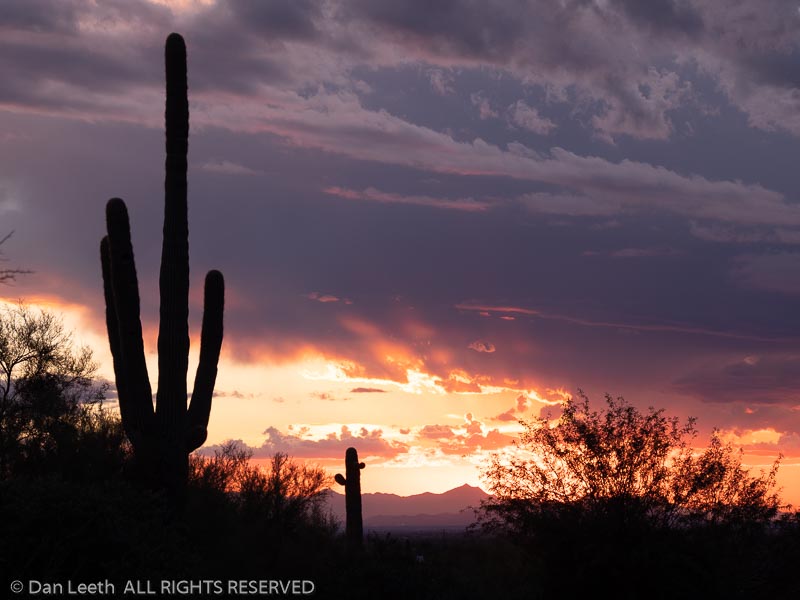
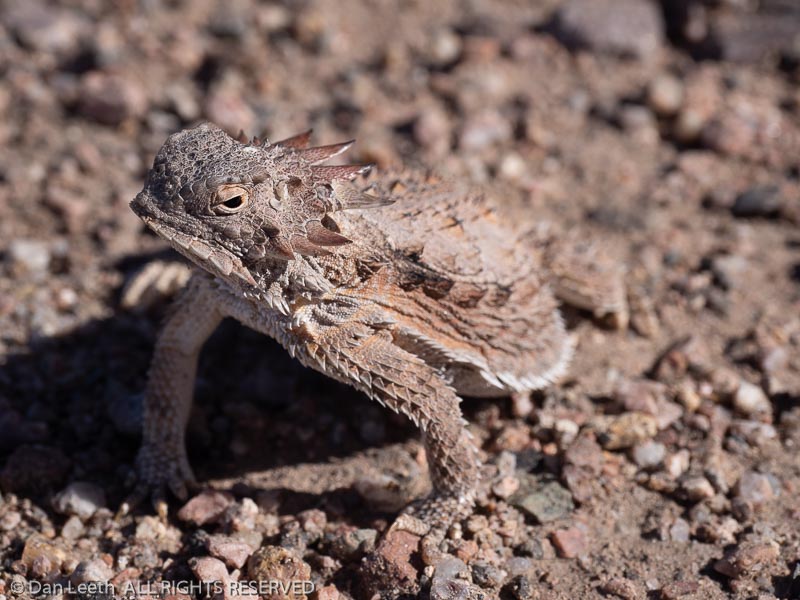
Our hunt, so far, has been just as successful as the decades of searches made by Dutch hunters.  While we’ve spotted numerous cottontail bunnies on our walks to the restrooms, none with the distinctive jackalope rack.  We did, however, see a regal horned lizard and numerous sunsets from camp, so all is not lost.
From our site, we look directly at the towering cliffs that form the southwestern face of the peak.  With the possible exception of our site at Devils Tower National Monument a few years ago, it’s the most scenic view from a campsite we’ve ever enjoyed.  Unfortunately, during the weekend, our unobstructed view is slightly diminished by the motor mansions parked in the loop above.

While the views from camp are spectacular, the campground itself has one annoying fault.  There are only two restrooms serving 104 campsites.  If the campground were all RVs with sewer hookups, that might not be a problem.  But without sewers and given the large number of tent campers here, it’s best to not be desperate for the facilities, especially on weekends when the campground is rife with families bursting with offspring.  At least the Wallys are friendly.

But hey, we’re in the Superstitions, my favorite Arizona mountain range.  Over the 18 years I lived in Arizona as a youth and young adult, I logged hundreds and hundreds of miles traipsing her trails.  I still enjoy venturing into the Superstition backcountry, but as a geezer with a wife suffering from foot, knee, back and shoulder issues, the hikes are now considerably shorter.

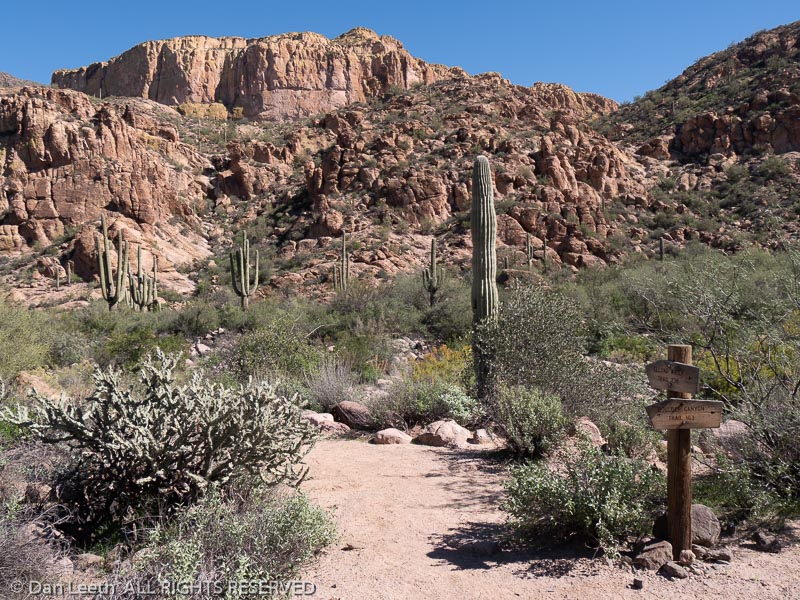
In the past two weeks, we’ve logged dozens of miles hiking Superstition Wilderness Area trails.  We’ve hiked to springs, scaled ridges, crossed mesas, wandered up and down canyons and crossed a few passes.  At a maximum of 10¾ miles per day (Dianne’s medically limited to less than 11 miles per day), we’re not covering the amount of ground we would have logged three or four decades ago, but we’re still able to get into and enjoy the backcountry.

Now If we could just find one of those Superstition Mountain jackalopes in the wild!

2018 – Cumbres & Toltec

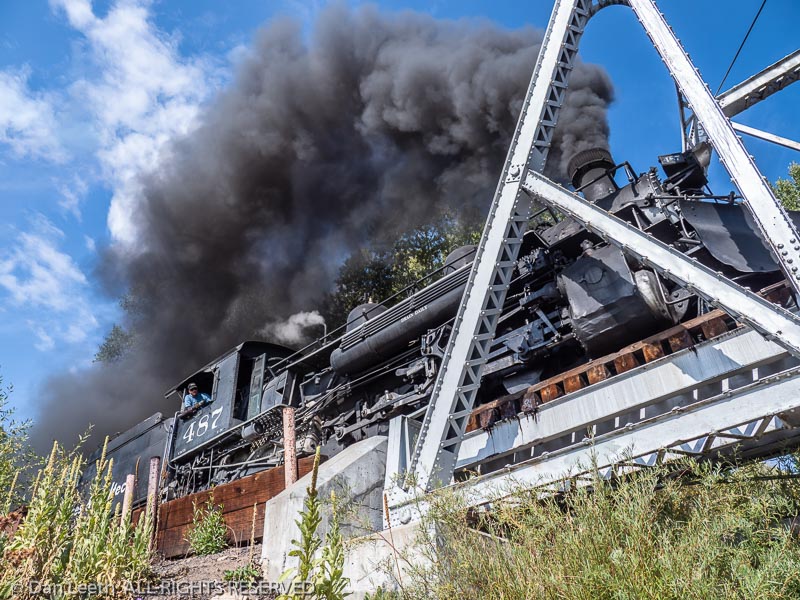
Cumbres & Toltec Scenic Railroad train crosses the Chama River behind the Rio Chama RV Park, Chama, New Mexico.
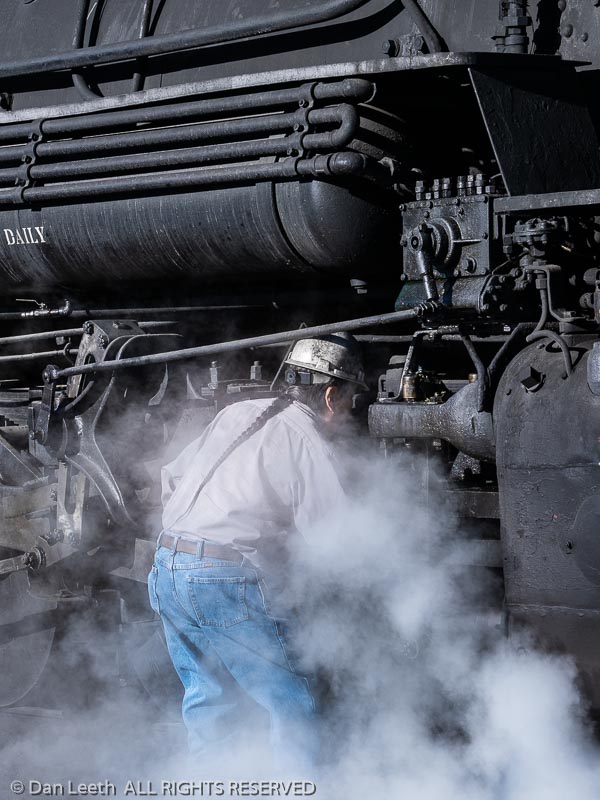
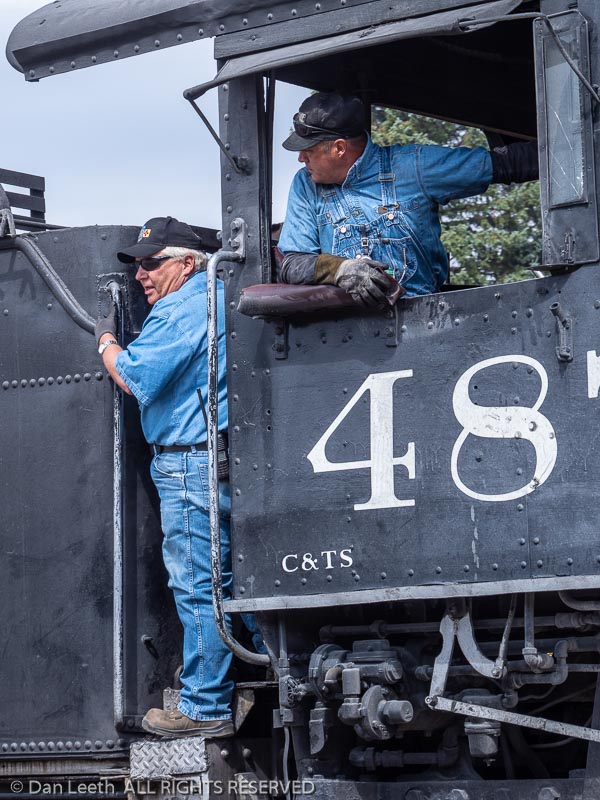
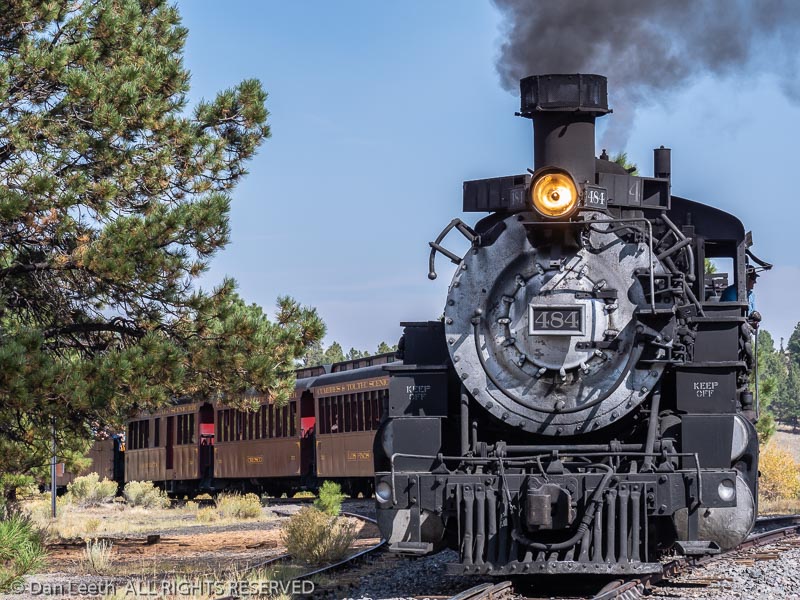
Man checks locomotive 484, Chama Railyard, Cumbres & Toltec Scenic Railroad between Chama, New Mexico, and Antonito, Colorado.
Cumbres & Toltec Scenic Railroad train on the atop Cumbres Pass, Colorado.
Locomotive not yet restored, Cumbres & Toltec Scenic Railroad depot, Chama, New Mexico.
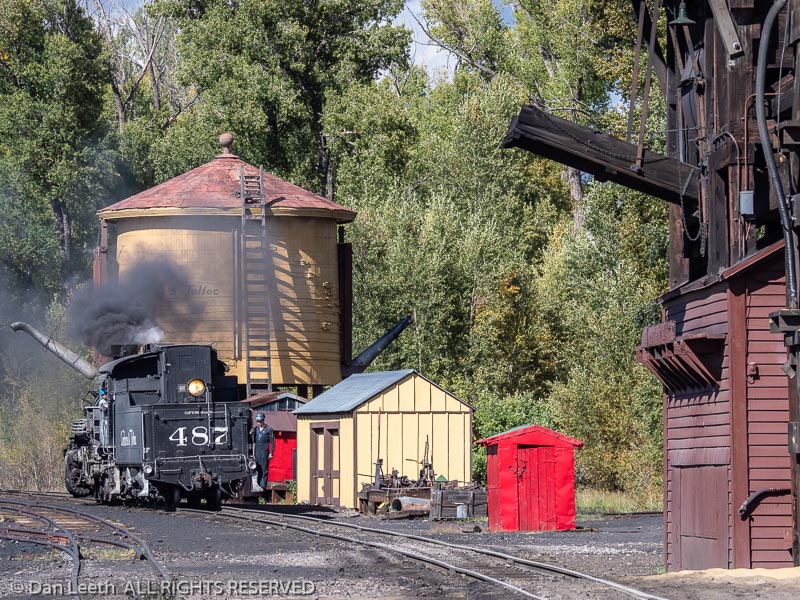
Locomotive 425 at Cresco Tank, Cumbres & Toltec Scenic Railroad between Chama, New Mexico, and Antonito, Colorado.
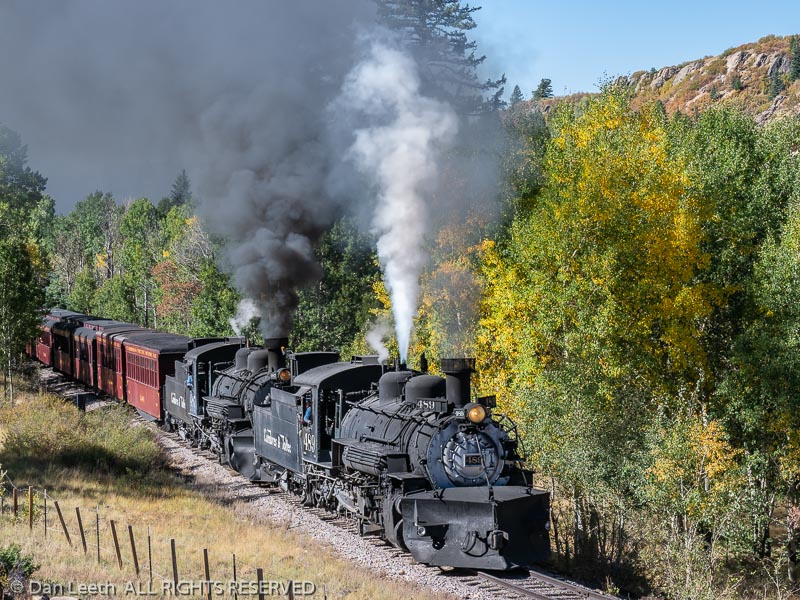
Eastbound double-header train on the west side of Cumbres Pass, Cumbres & Toltec Scenic Railroad between Chama, New Mexico and Antonito, Colorado.
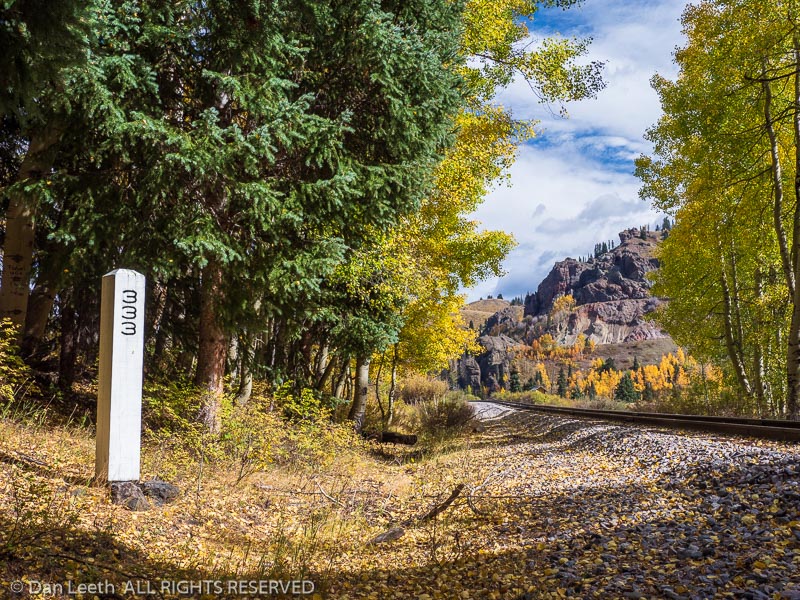
Milepost 333, Cumbres & Toltec Scenic Railroad track between Chama, New Mexico, and Antonito, Colorado.
Train near Coxo phone booth, Cumbres & Toltec Scenic Railroad between Chama, New Mexico, and Antonito, Colorado.
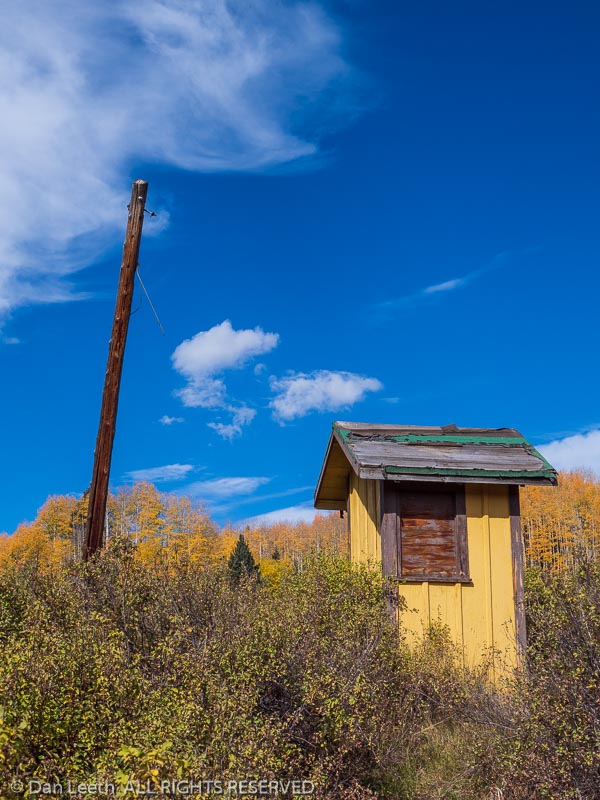
Coxo phone booth, Cumbres & Toltec Scenic Railroad track between Chama, New Mexico, and Antonito, Colorado.
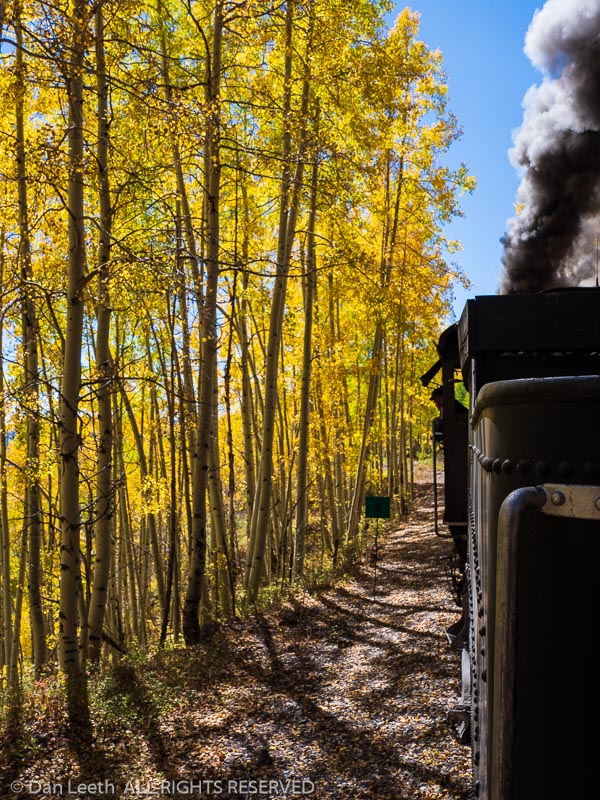
Cumbres & Toltec Scenic Railroad train on the west side of Cumbres Pass, Colorado.
Train approaches Windy Point, Cumbres & Toltec Scenic Railroad between Chama, New Mexico, and Antonito, Colorado.
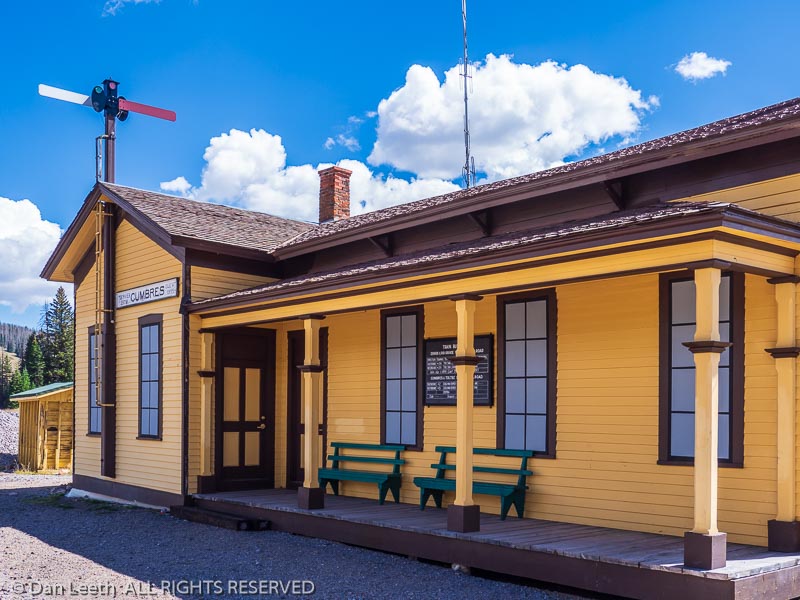
Depot atop Cumbres Pass, Cumbres & Toltec Scenic Railroad between Chama, New Mexico, and Antonito, Colorado.
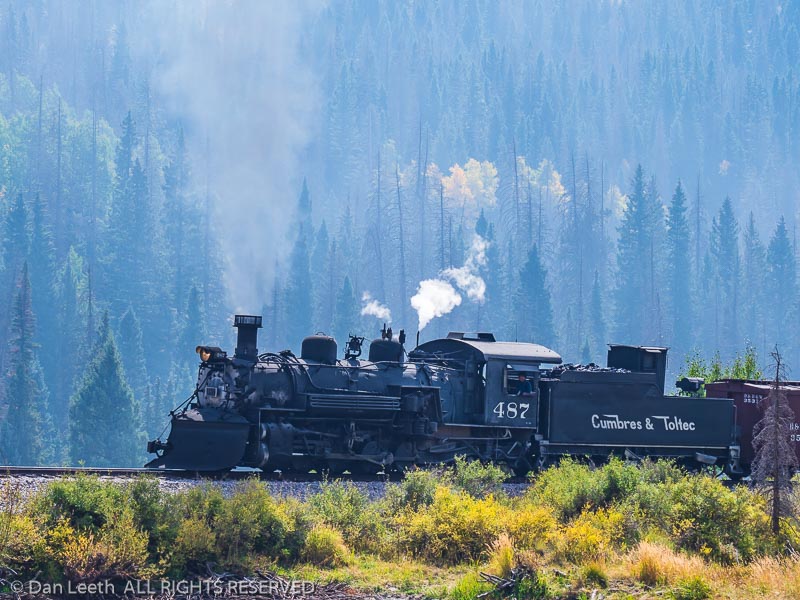
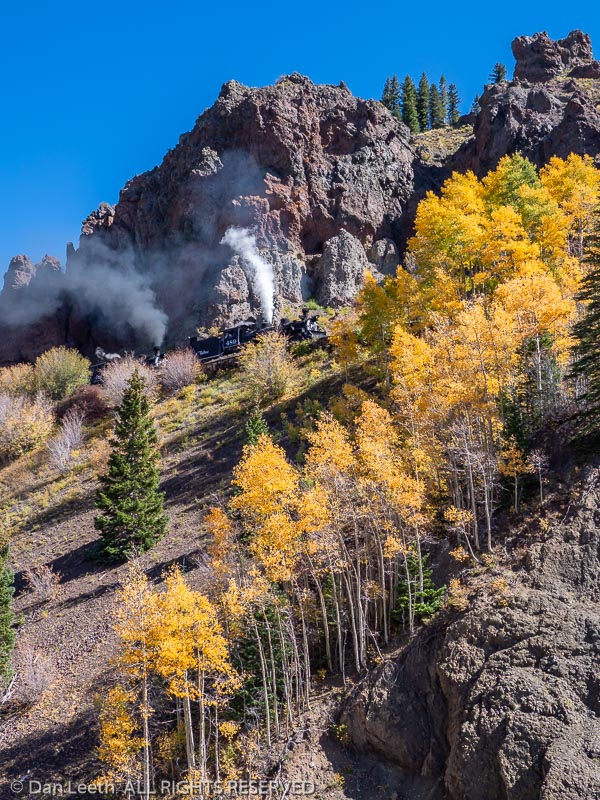
Locomotive 489 and autumn color, Cumbres & Toltec Scenic Railroad between Chama, New Mexico, and Antonito, Colorado..
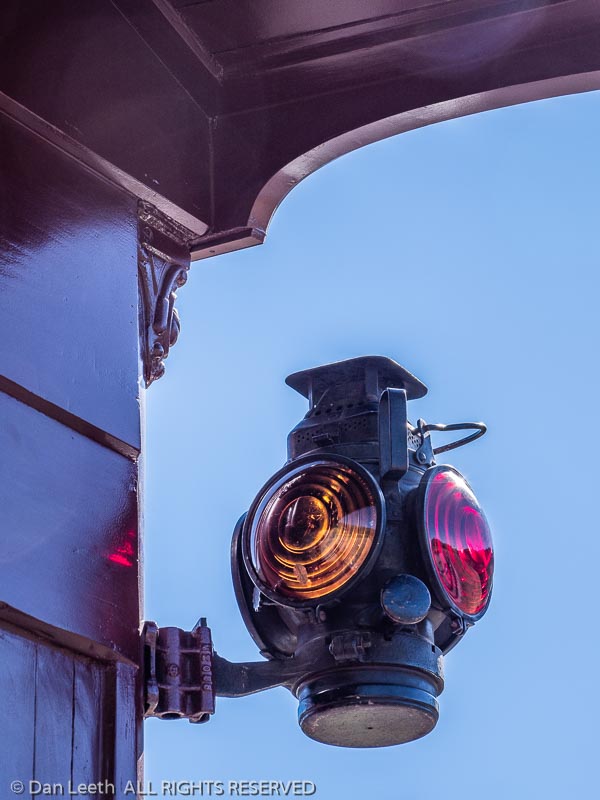
Lights on car 292, Cumbres & Toltec Scenic Railroad between Chama, New Mexico, and Antonito, Colorado.
Passenger train passes the Big Horn Wye, Cumbres & Toltec Scenic Railroad between Chama, New Mexico, and Antonito, Colorado.
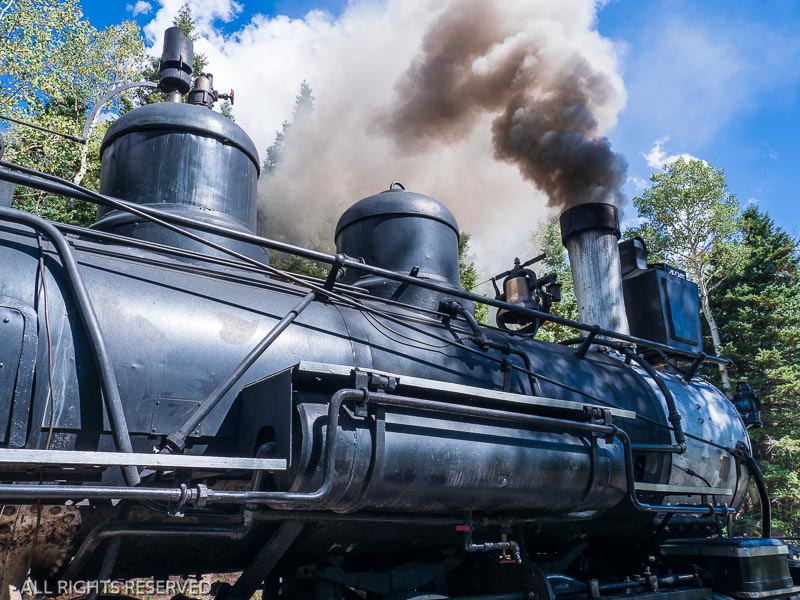
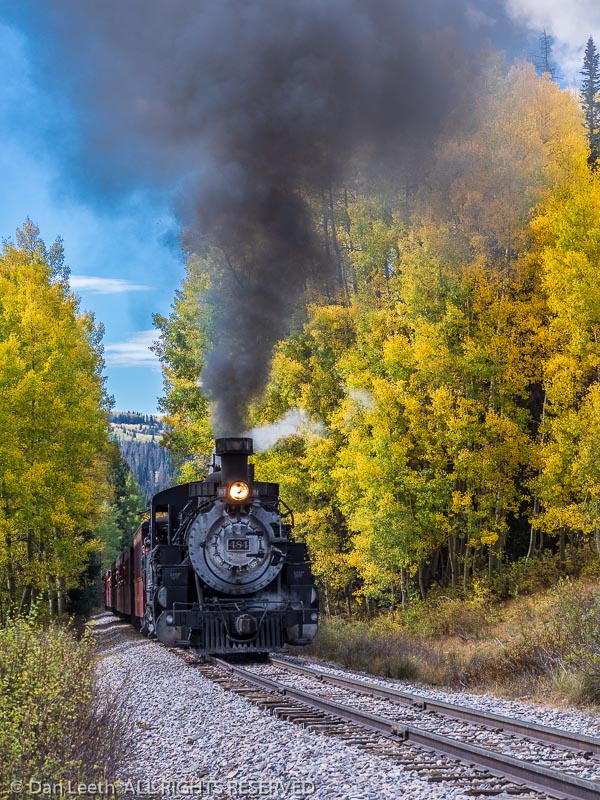
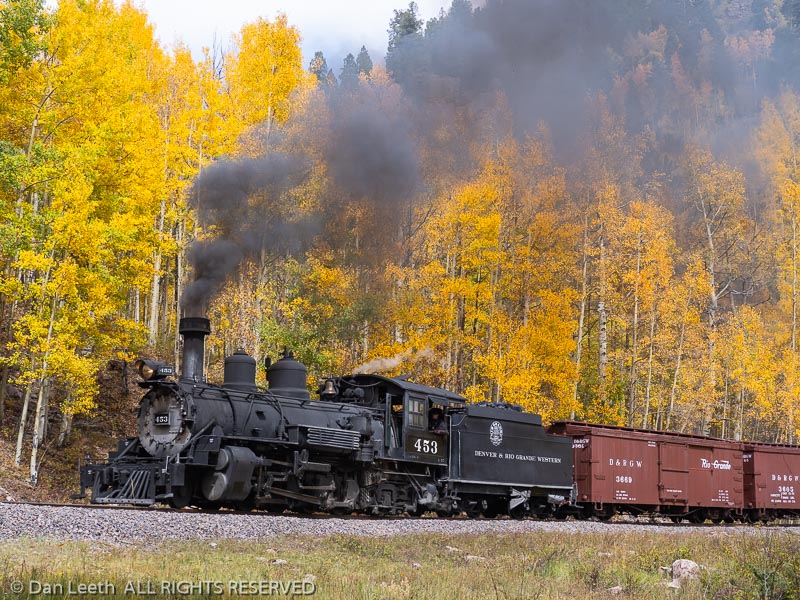
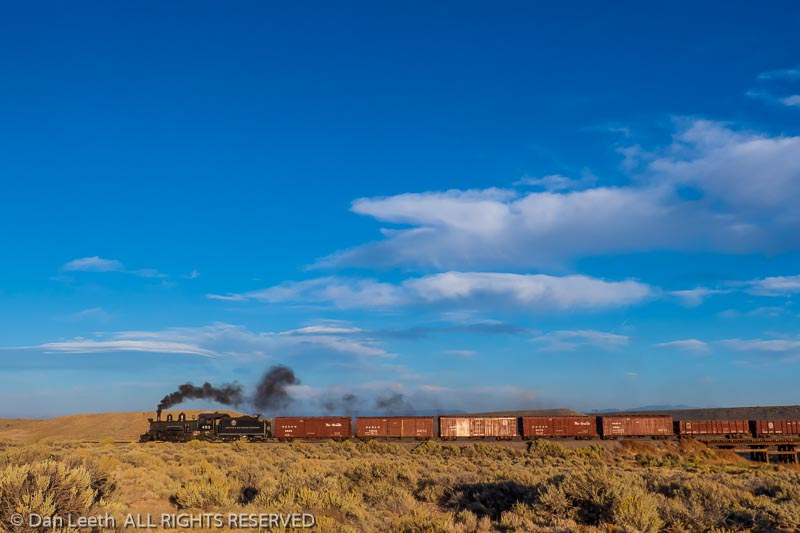
Locomotive 453 steam-engine freight train at Toltec Creek, Cumbres & Toltec Scenic Railroad, Antonito, Colorado.
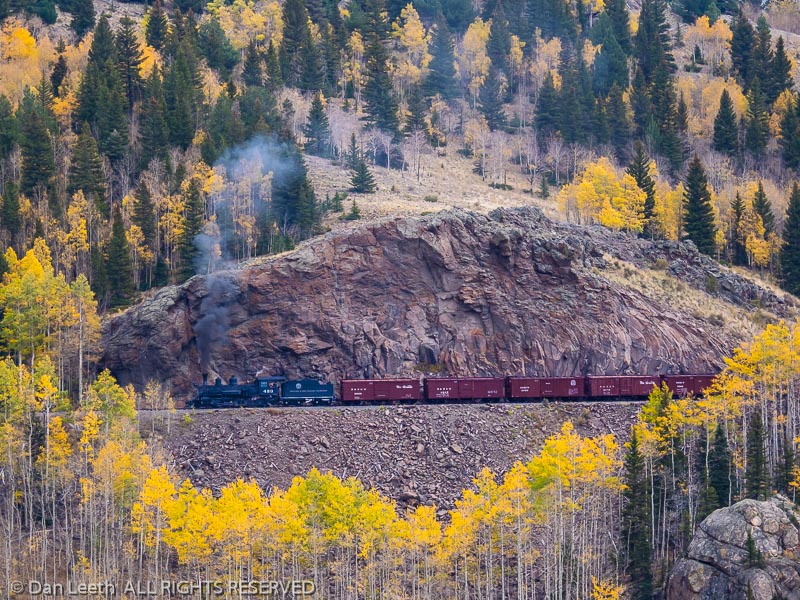
Locomotive 453 steam-engine freight train approaches Toltec Creek, Cumbres & Toltec Scenic Railroad, Antonito, Colorado.
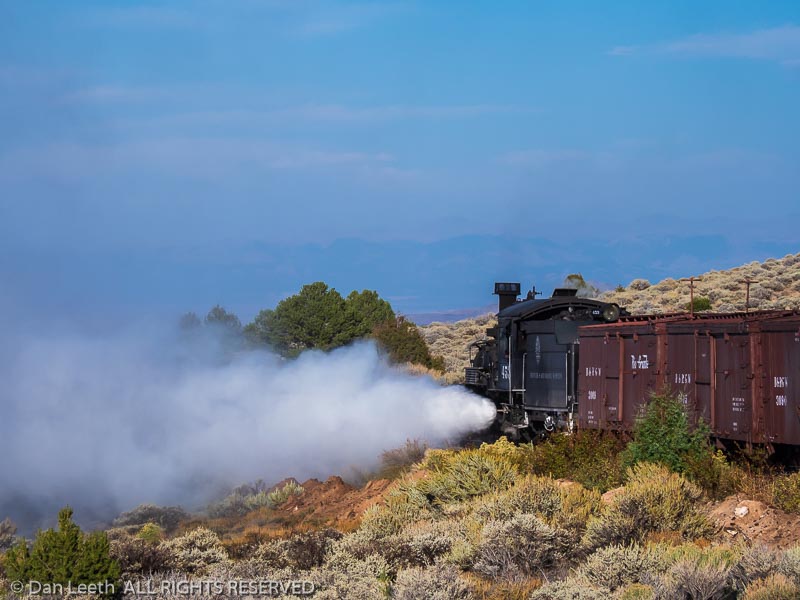
Locomotive 453 steam-engine freight train lets of steam, Cumbres & Toltec Scenic Railroad, Antonito, Colorado.
Locomotive 453 steam-engine freight train at Hangman’s Trestle, Cumbres & Toltec Scenic Railroad, Antonito, Colorado.

2018 – Galloping Goose

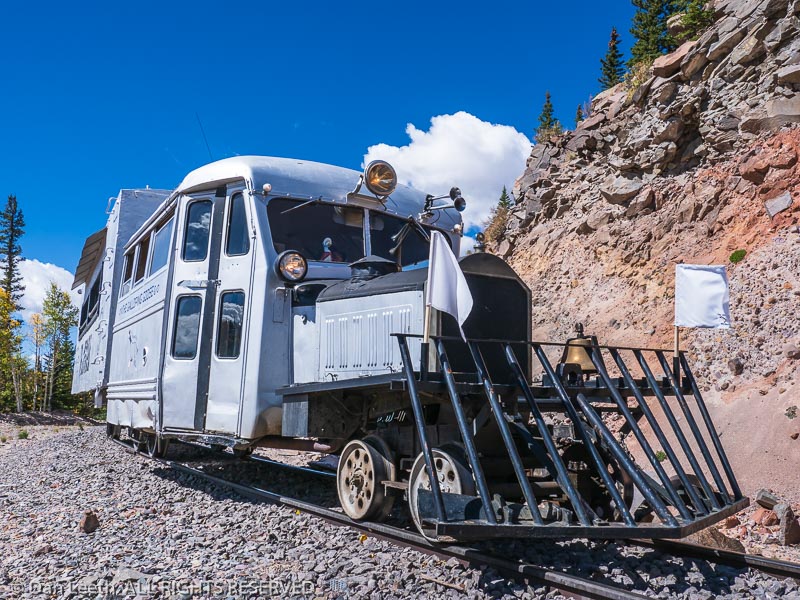
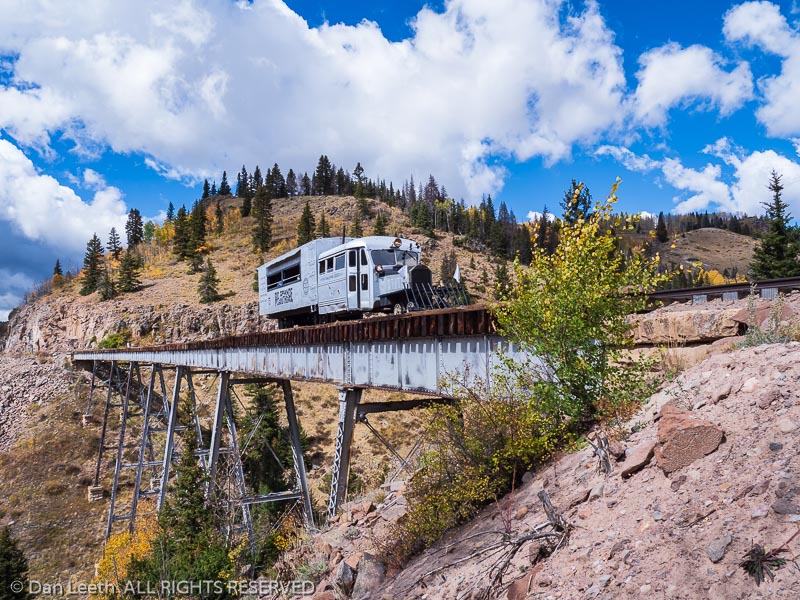
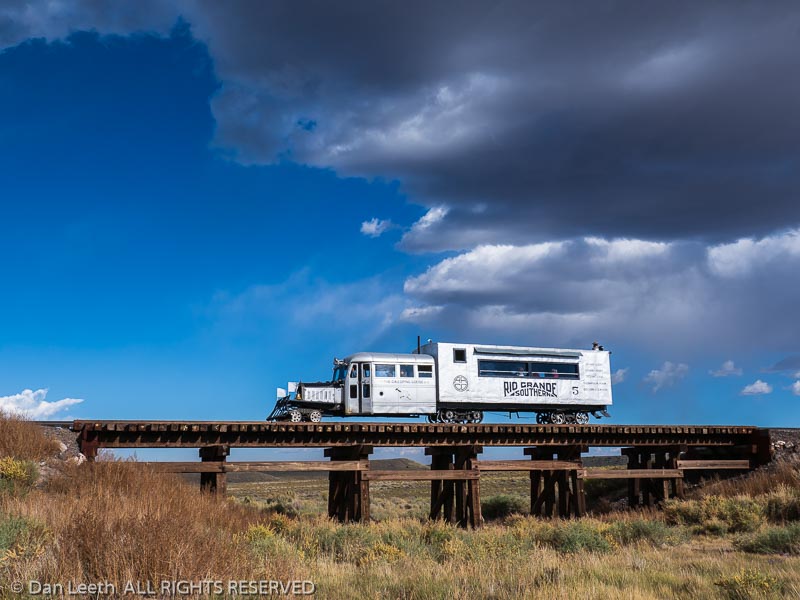
Galloping Goose #5 above Toltec Gorge, Cumbres & Toltec Scenic Railroad between Chama, New Mexico, and Antonito, Colorado.
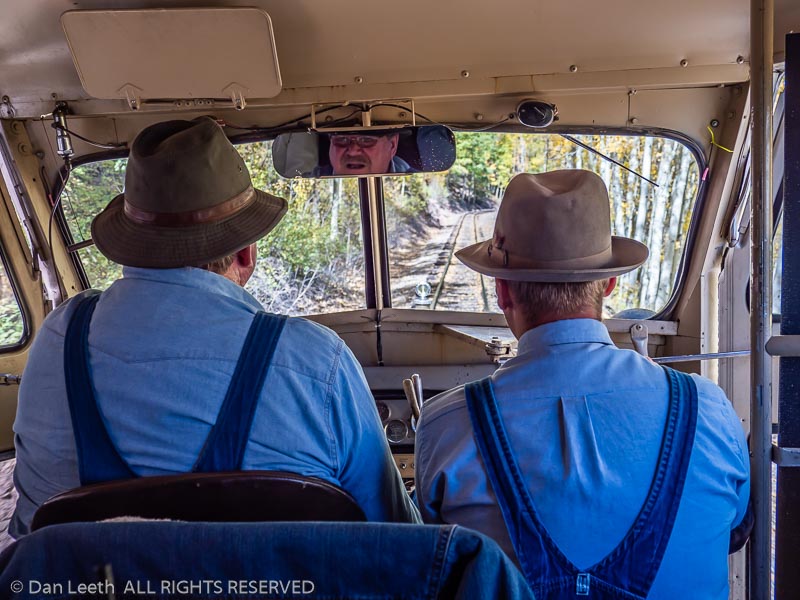
John Randall, motorman, and Chase Bond, pilot, at the controls of Galloping Goose #5, Cumbres & Toltec Scenic Railroad between Chama, New Mexico, and Antonito, Colorado.
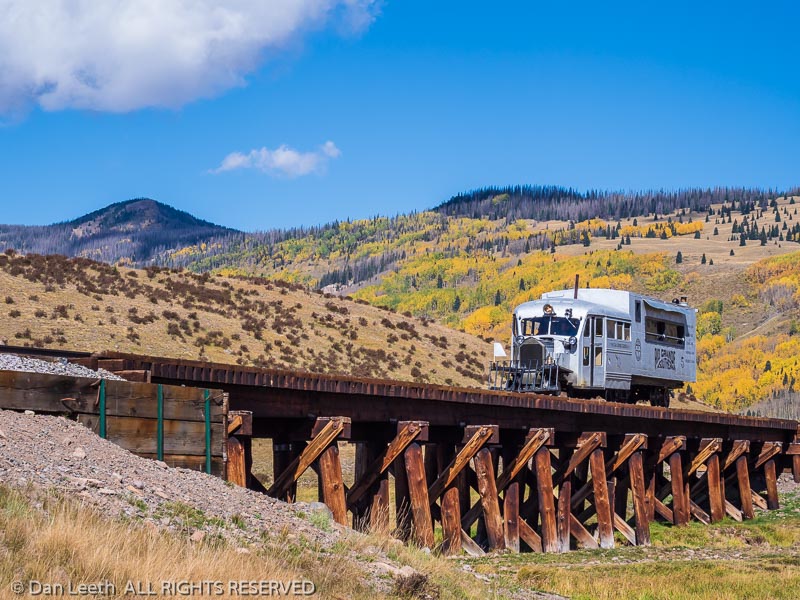
Galloping Goose crosses the Los Piños trestle, Cumbres & Toltec Scenic Railroad between Chama, New Mexico, and Antonito, Colorado.
Galloping Goose crosses the Cascade Trestle, Cumbres & Toltec Scenic Railroad between Chama, New Mexico, and Antonito, Colorado.
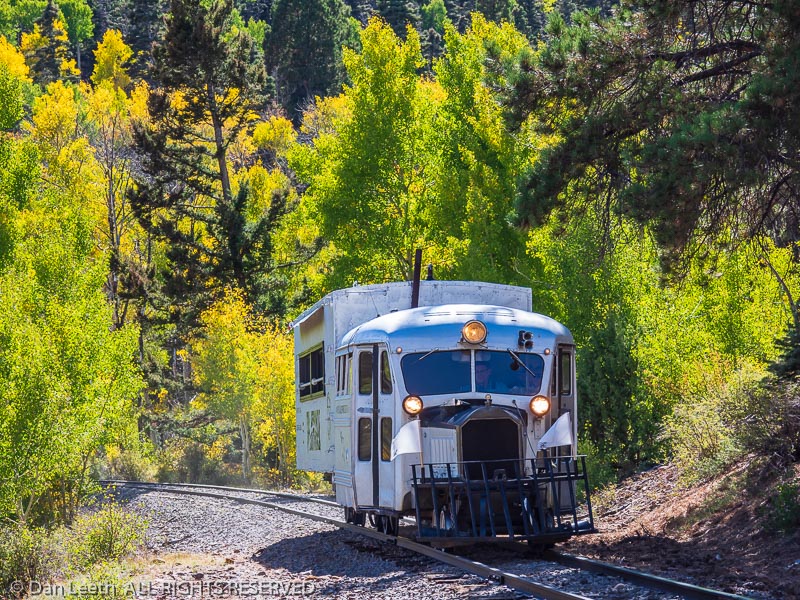
Galloping Goose #5 in autumn color near the powder house, Cumbres & Toltec Scenic Railroad between Chama, New Mexico, and Antonito, Colorado.
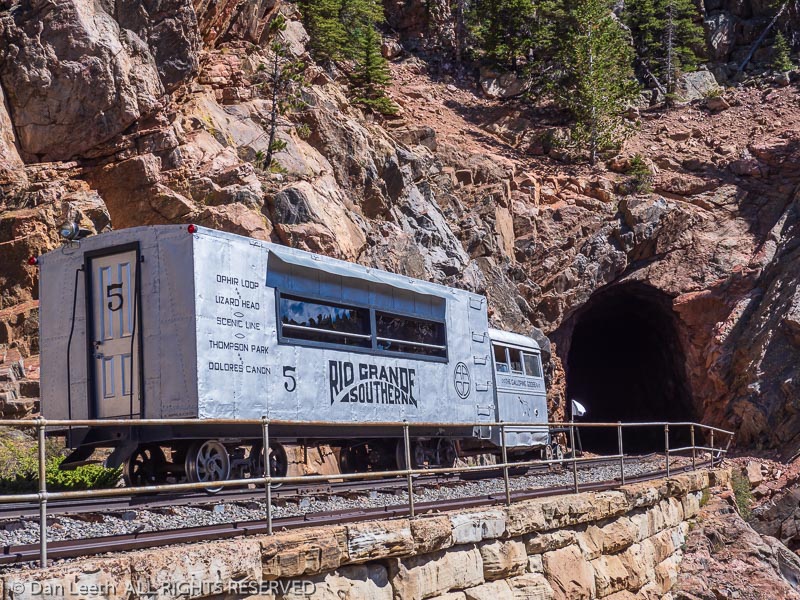
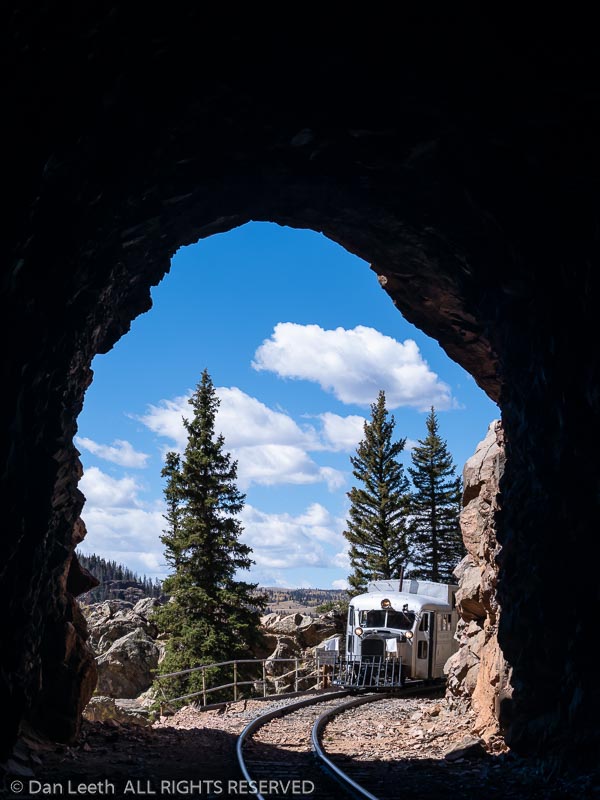
Galloping Goose #5 enters Rock Tunnel, Cumbres & Toltec Scenic Railroad between Chama, New Mexico, and Antonito, Colorado.
Galloping Goose #5 crosses Hangman’s Trestle, Cumbres & Toltec Scenic Railroad between Chama, New Mexico, and Antonito, Colorado.

2018 – Desolation & Rattlesnake Canyons

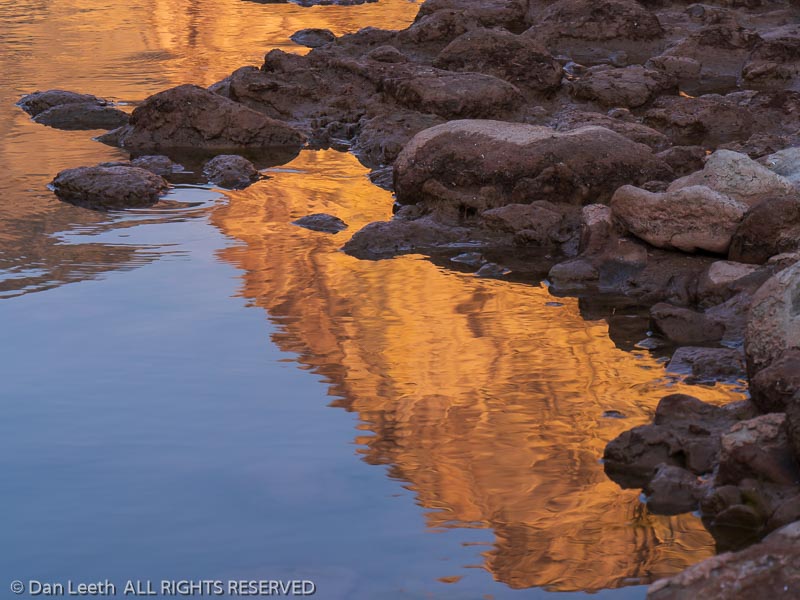
Reflections in the water, Nefertiti campsite, Gray Canyon north of Green River, Utah.
Floating the river through Steer Ridge Rapid, upper Desolation Canyon north of Green River, Utah.
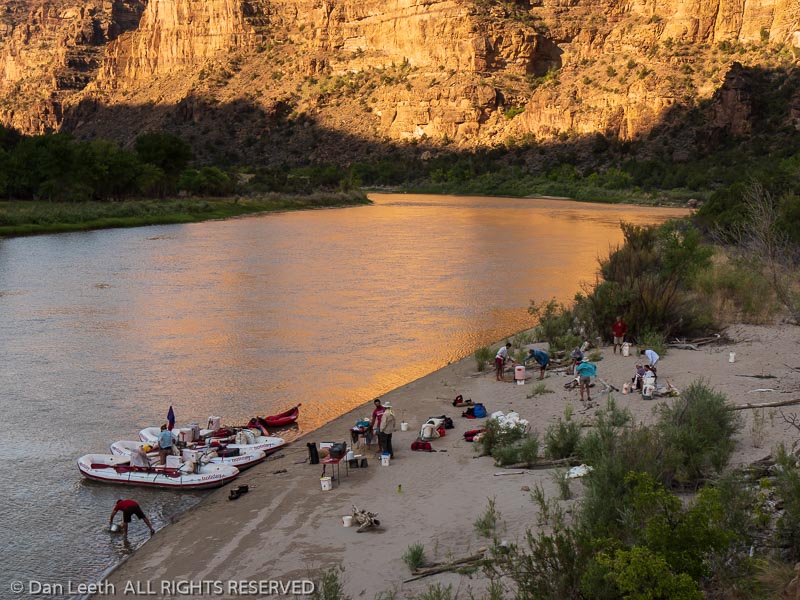
Lion Hollow campsite, Desolation Canyon north of Green River, Utah.
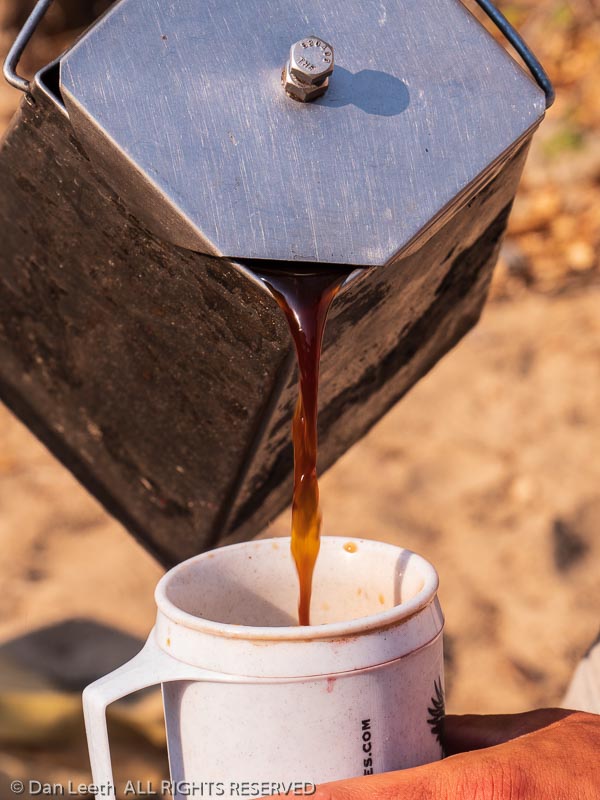
Morning coffee, Range Creek campsite, Gray Canyon north of Green River, Utah.
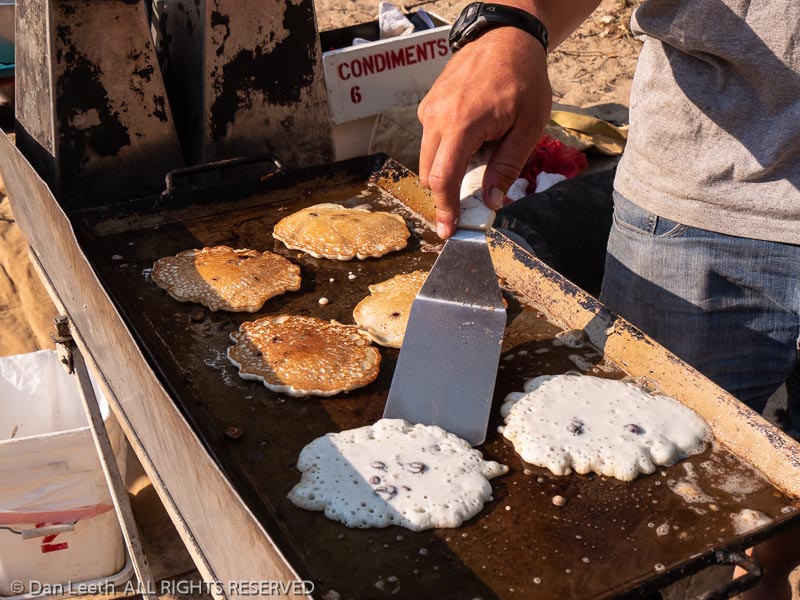
Pancakes on the griddle, Range Creek campsite, Gray Canyon north of Green River, Utah.
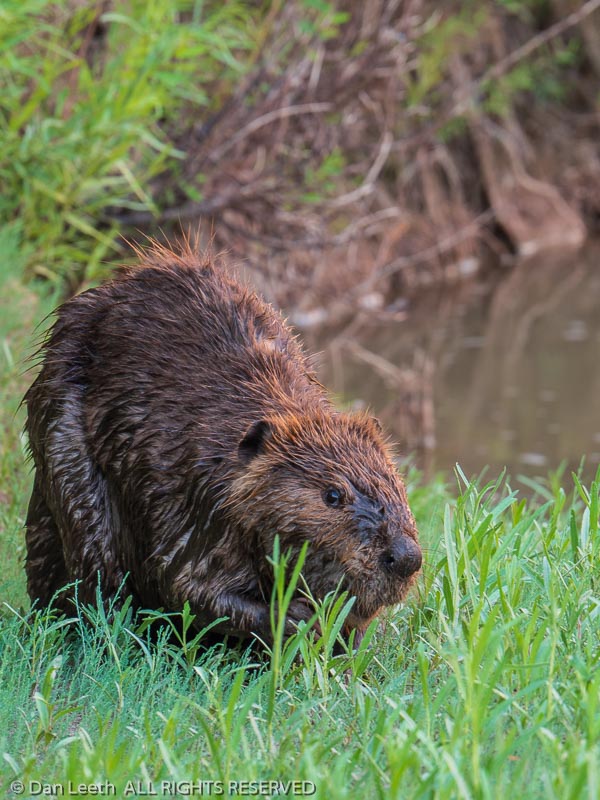
Beaver comes ashore, Nefertiti campsite, Gray Canyon north of Green River, Utah.
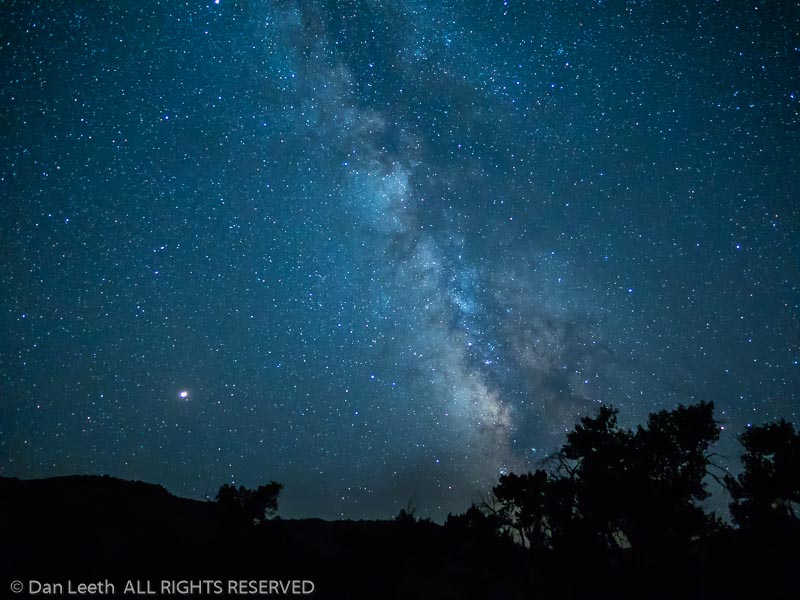
Milky Way from camp below Range Creek Rapid, Green River in Desolation Canyon upstream from Green River, Utah.
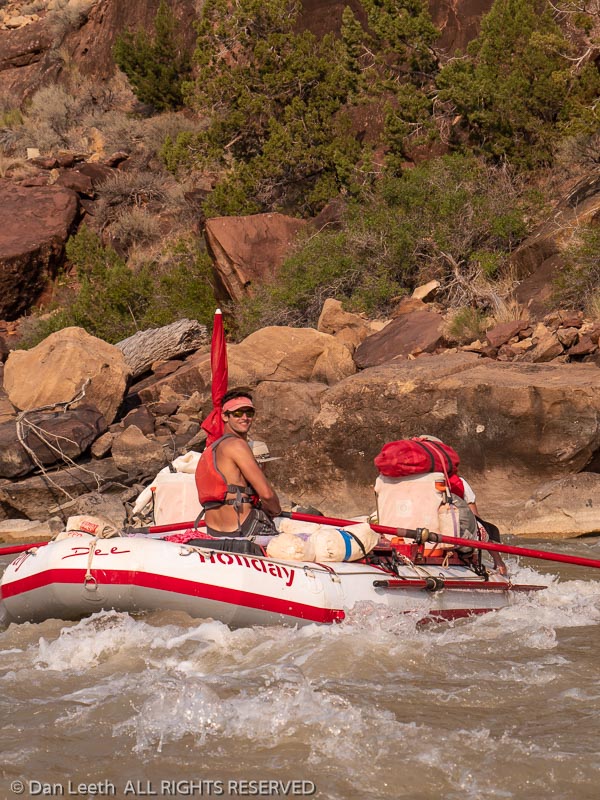
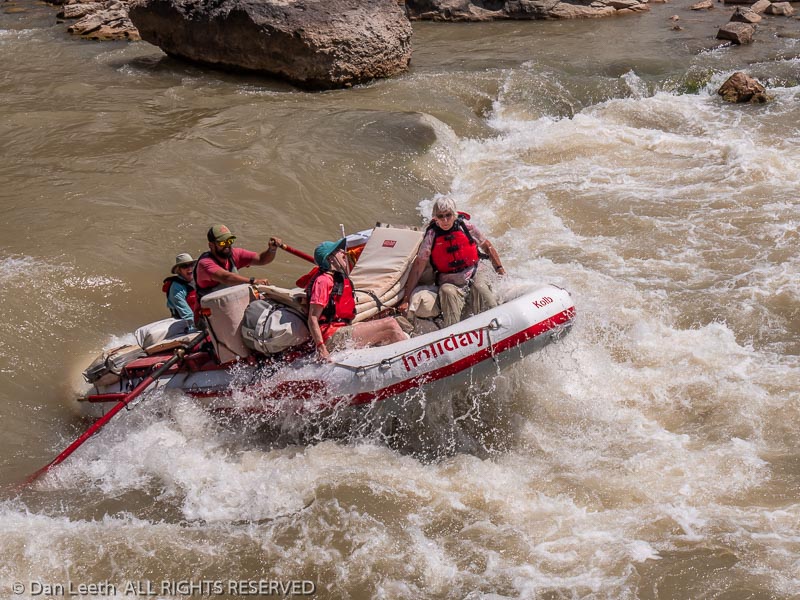
Guide Mac Kirkpatrick, Holiday Expeditions rows through Three Fords Rapid, lower Desolation Canyon north of Green River, Utah.
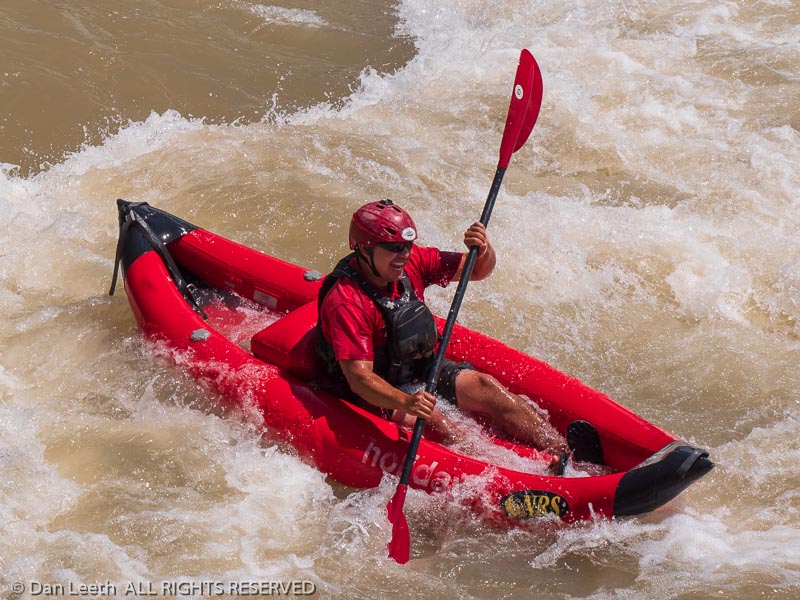
Man paddles his ducky through Three Fords Rapid, lower Desolation Canyon north of Green River, Utah.
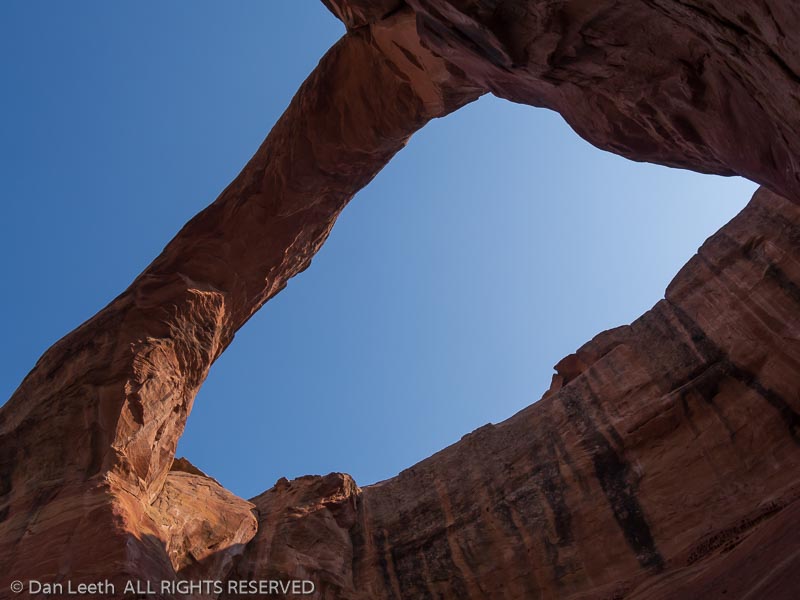
Akiti Arch (aka East Rim or Centennial Arch) in Rattlesnake Canyon, Black Ridge Wilderness Area, McInnis Canyons National Conservation Area, Grand Junction, Colorado.
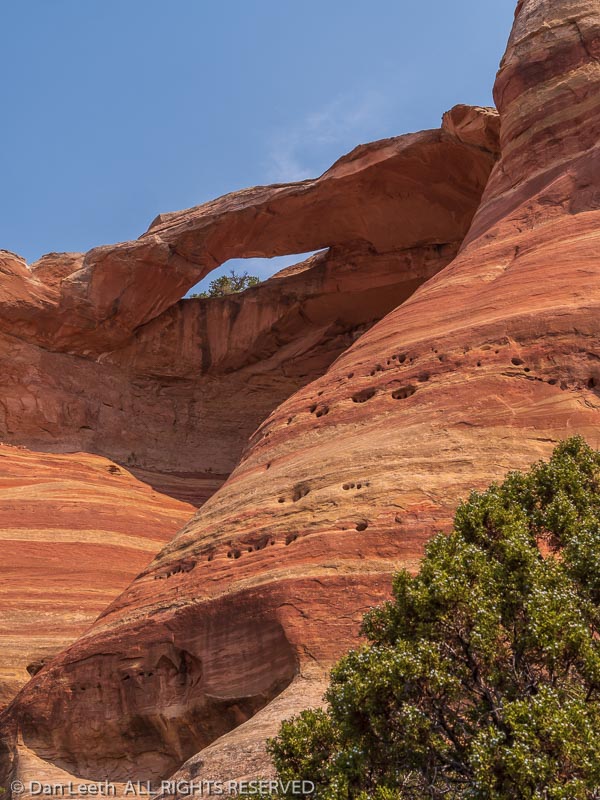
Eye Arch, Rattlesnake Canyon, Black Ridge Wilderness Area, McInnis Canyons National Conservation Area, Grand Junction, Colorado.
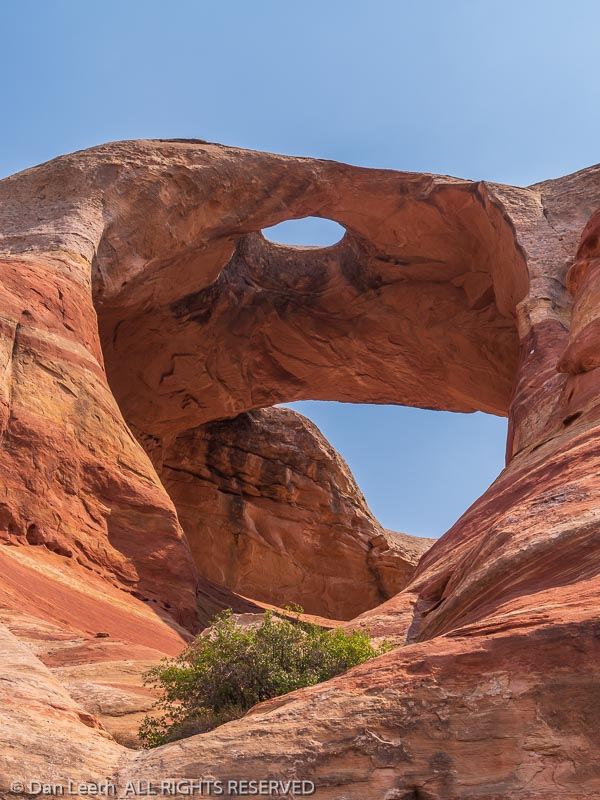
Hole in the Bridge Arch, Rattlesnake Canyon, Black Ridge Wilderness Area, McInnis Canyons National Conservation Area, Grand Junction, Colorado.

2018 – California-Nevada

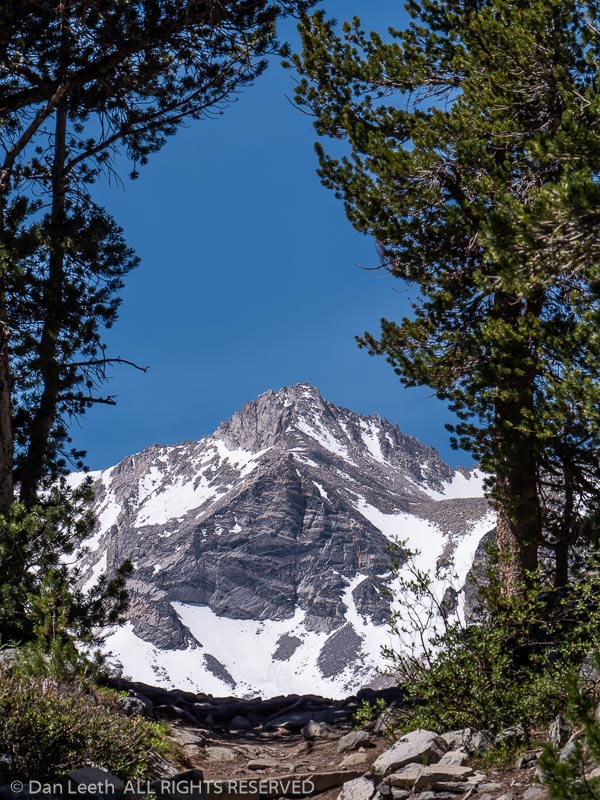
Sierra Nevada peaks from the Lakes Valley Trail, John Muir Wilderness, Inyo National Forest, California.
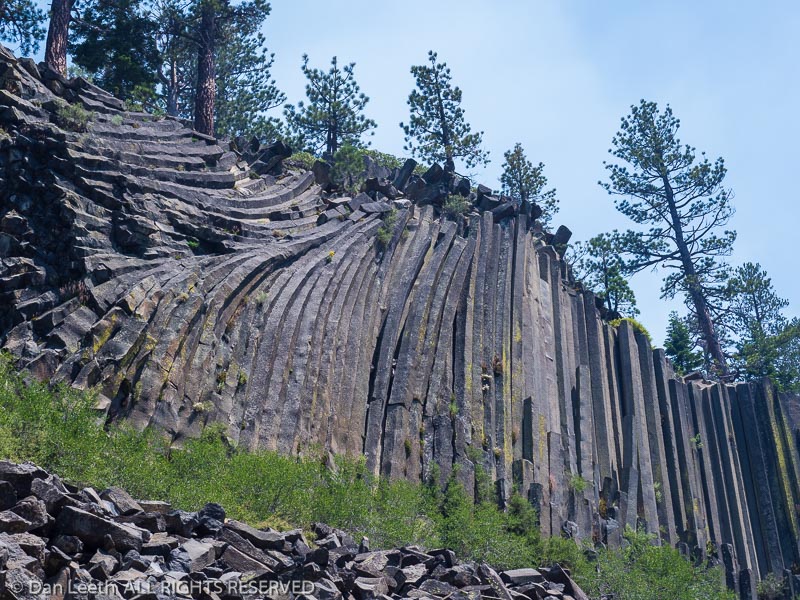
Devil’s Postpile National Monument near Mammoth Lakes, California.
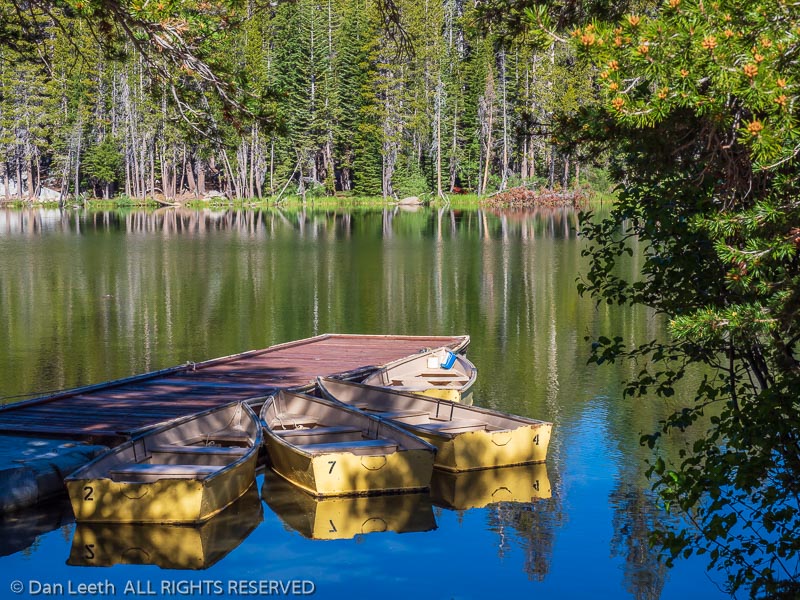
Boats at the dock, Wildyrie Lodge, Lake Mamie, Mammoth Lakes, California.
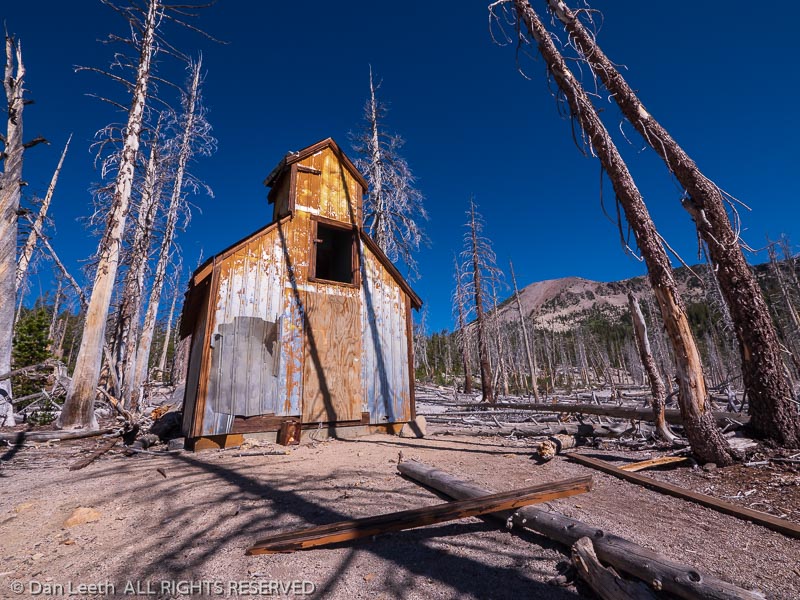
Abandoned chapel-like structure surrounded by trees killed by volcanic carbon dioxide gas releases, Horseshoe Lake, Mammoth Lakes, California.
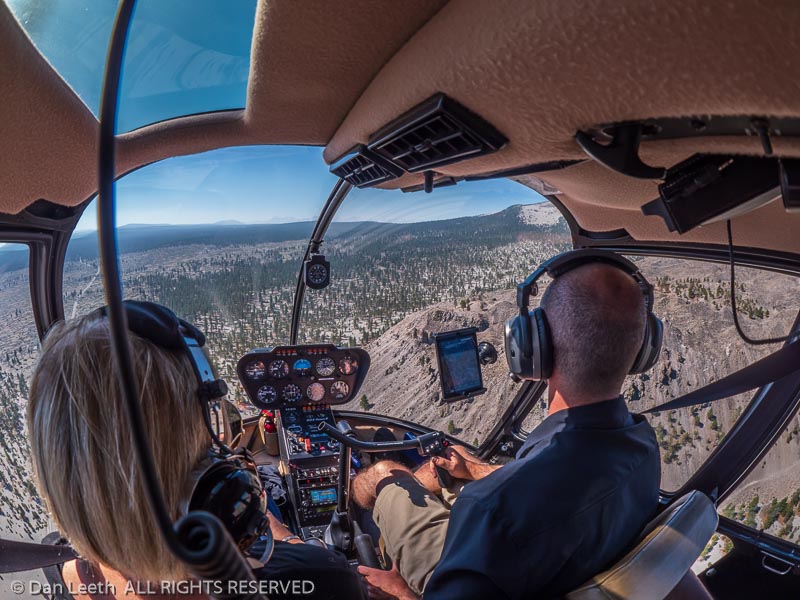
Onboard a Robinson R44 helicopter above the Owens Valley, California.
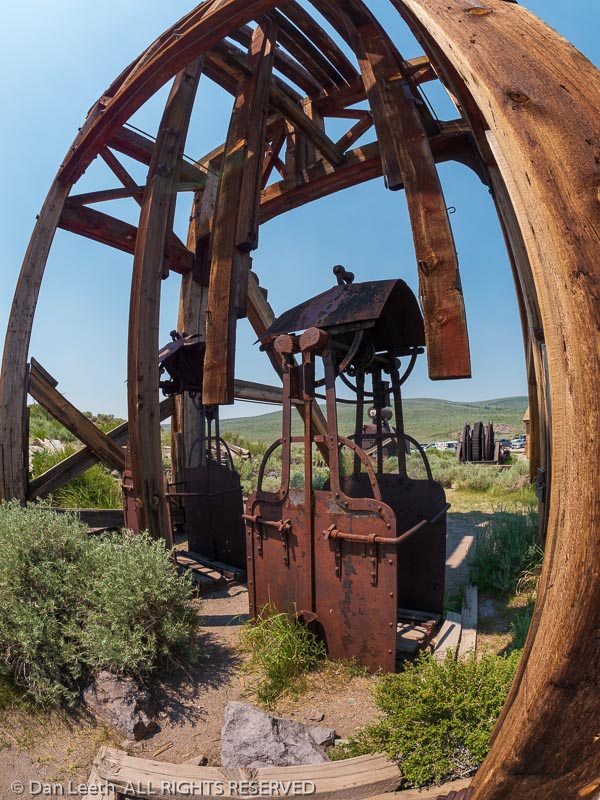
Equipment for the Red Cloud Mine, Bodie ghost town, Bodie State Historic Park, California.
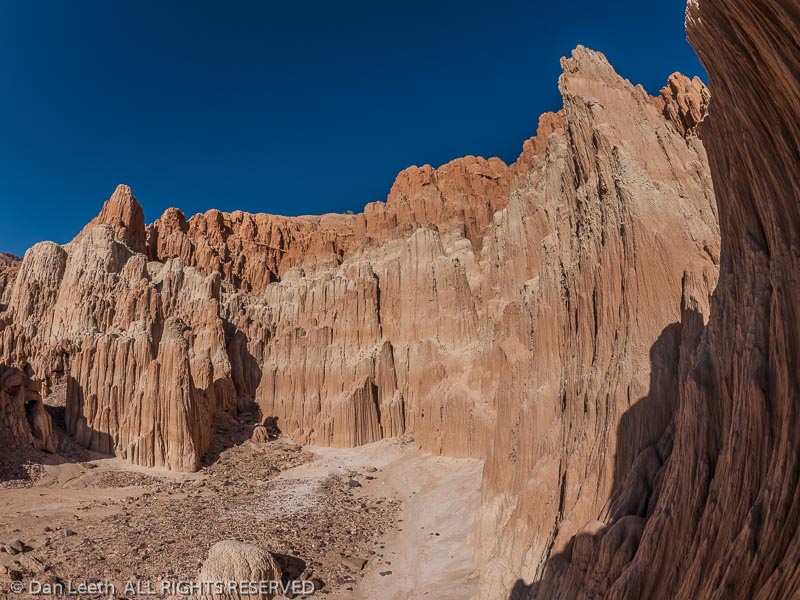
Cathedral Gorge State Park, Panaca, Nevada.
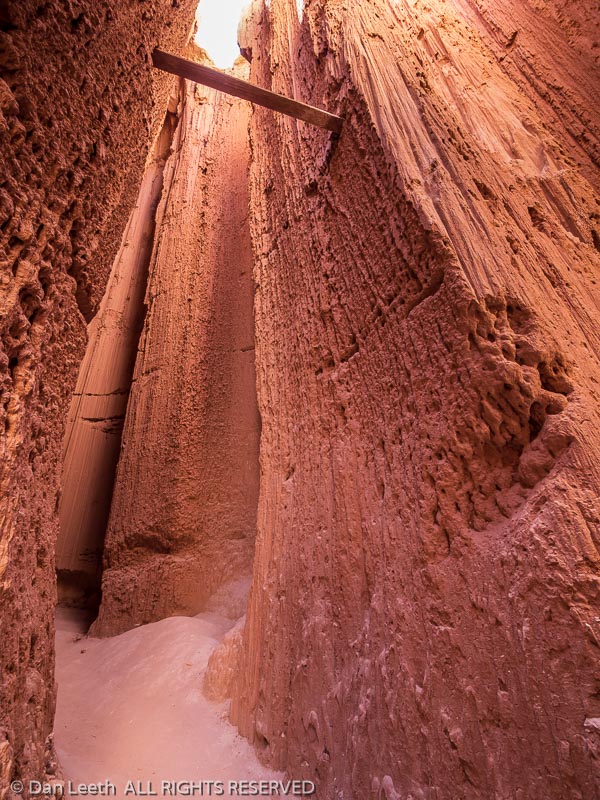
Inside one of the Moon “Caves,” Cathedral Gorge State Park, Panaca, Nevada.
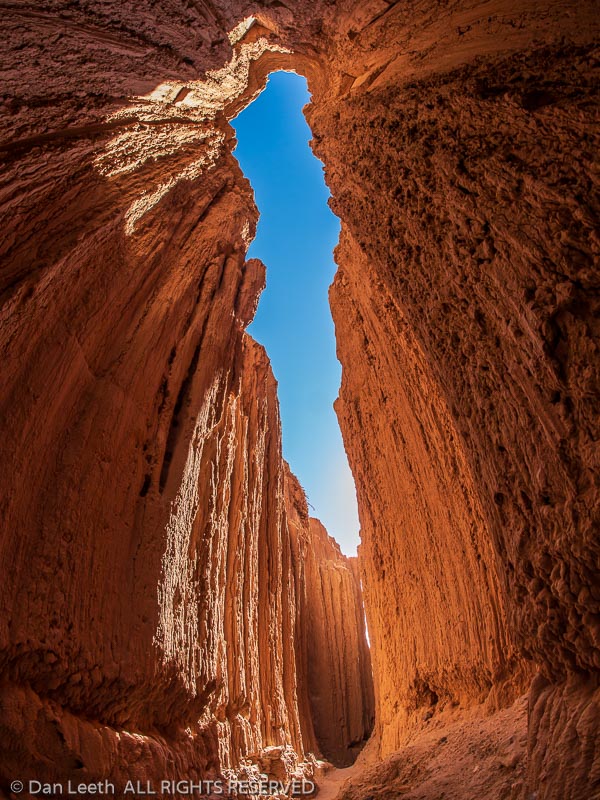
One of the Cathedral “Caves,” Cathedral Gorge State Park, Panaca, Nevada.

2018 – Utah-Colorado-Utah

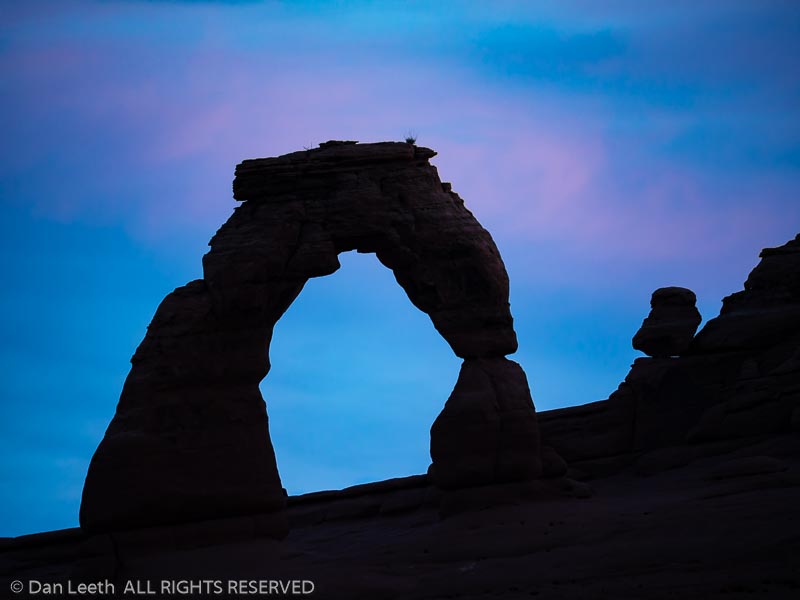
Delicate Arch at sunrise from Upper Delicate Arch Viewpoint, Arches National Park, Moab, Utah.
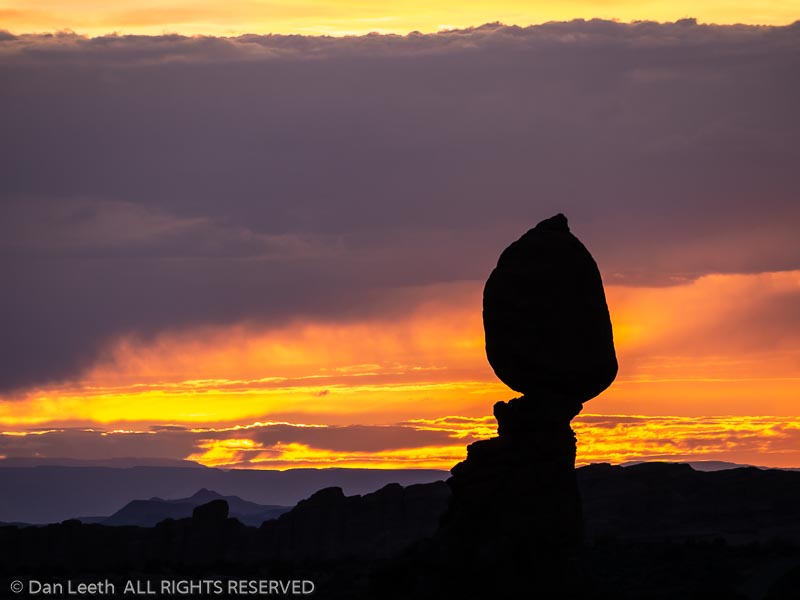
Balanced Rock at sunset, Arches National Park, Moab, Utah.
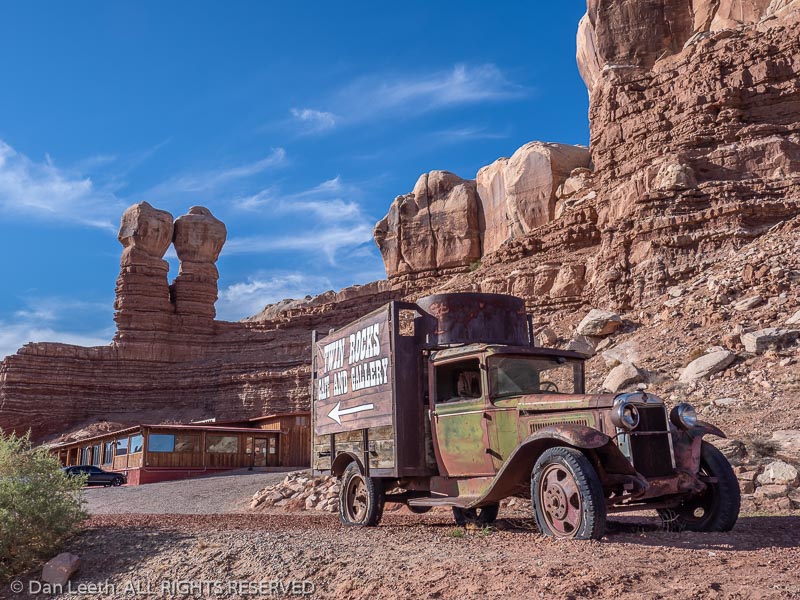
Old Chevrolet truck, Twin Rocks Trading Post, Bluff, Utah.
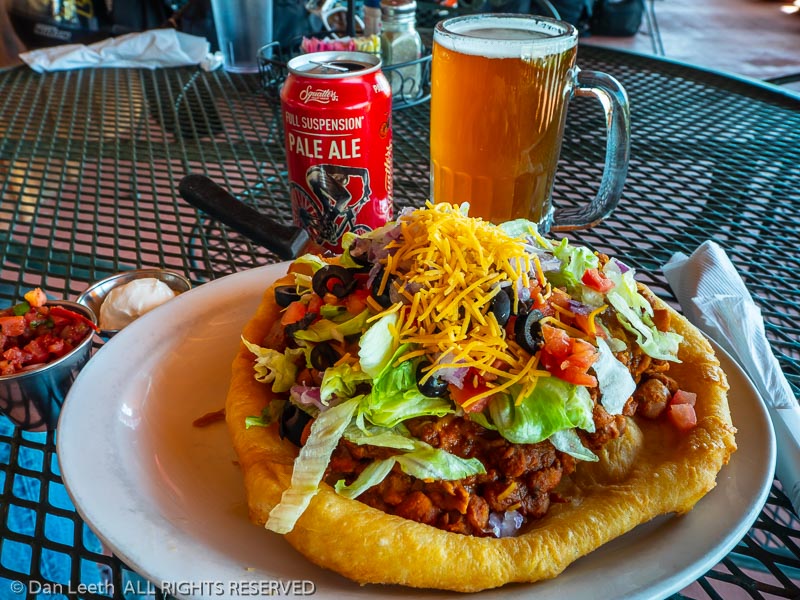
Navajo taco, Twin Rocks Cafe, Bluff, Utah.
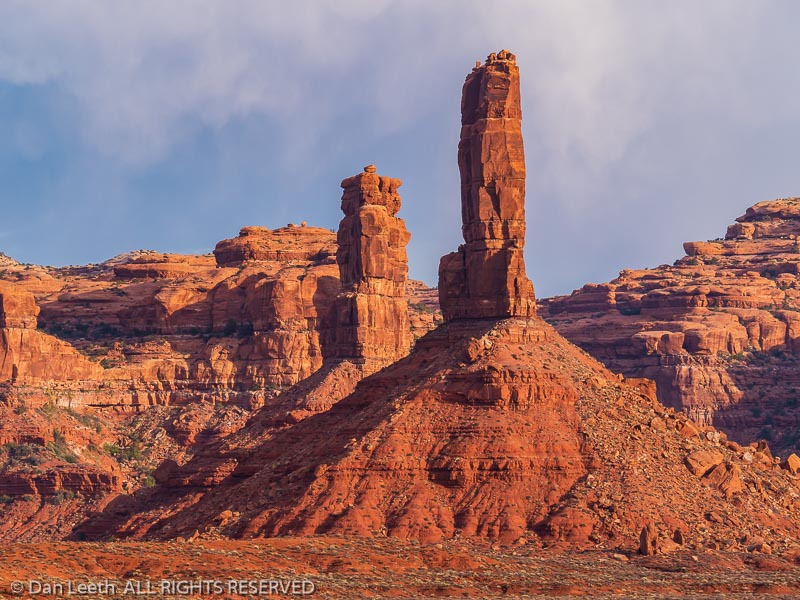
Pillar formation, Valley of the Gods near Bluff, Utah.
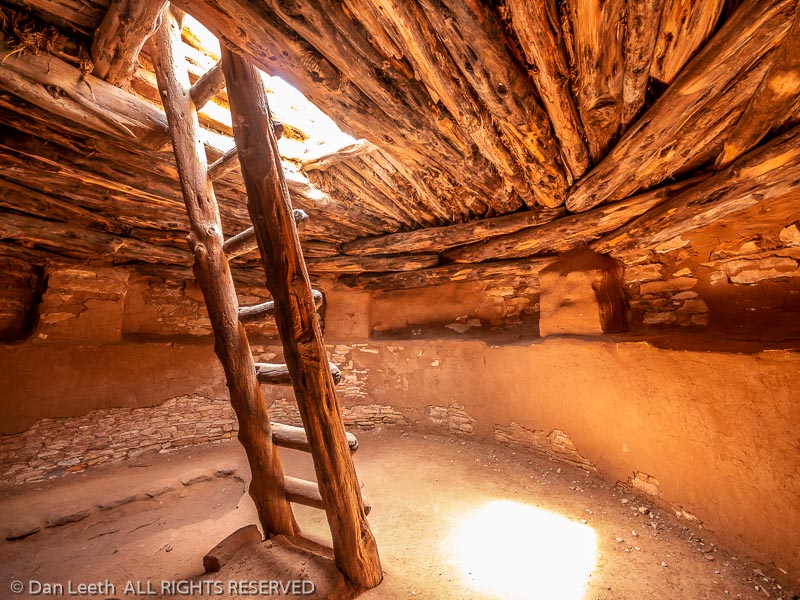
Inside the kiva, Edge of the Cedars State Park and Museum, Blanding, Utah.
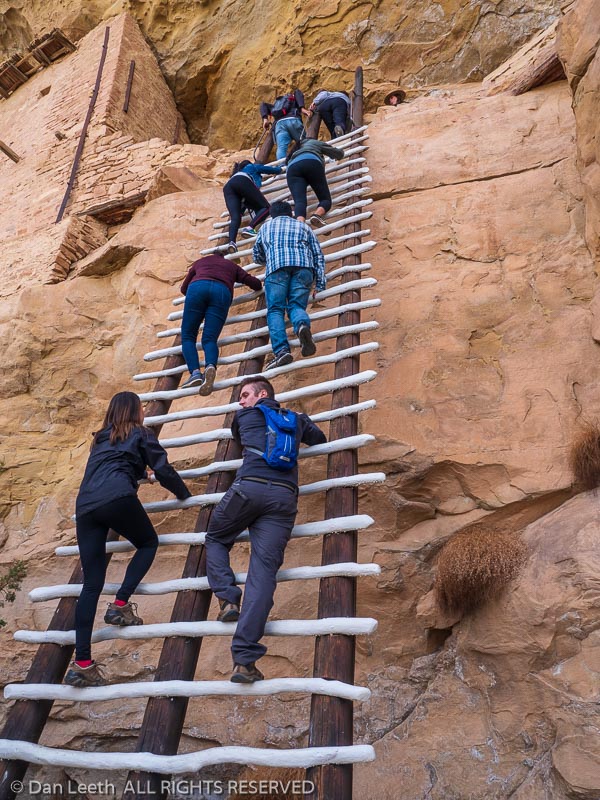
Visitors ascend the ladder to reach the Balcony House Ruins, Mesa Verde National Park, Colorado.
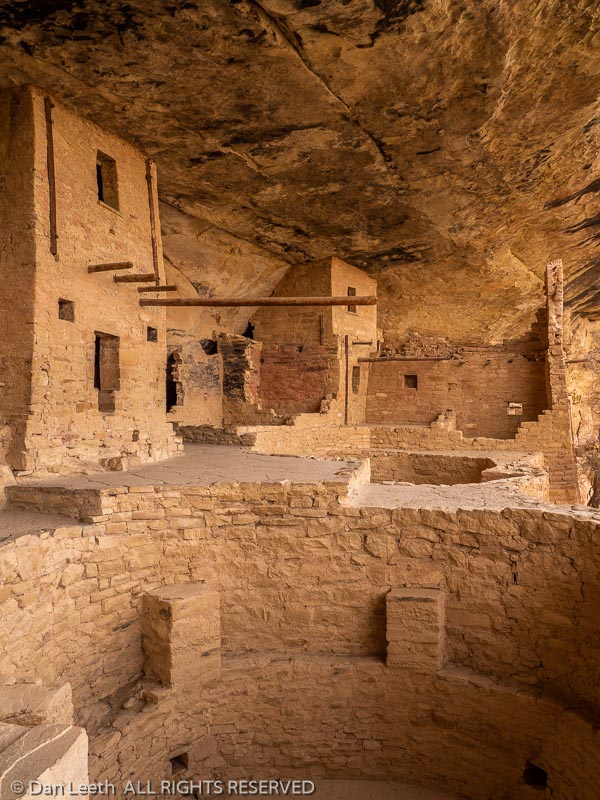
Balcony House Ruins, Mesa Verde National Park, Colorado.
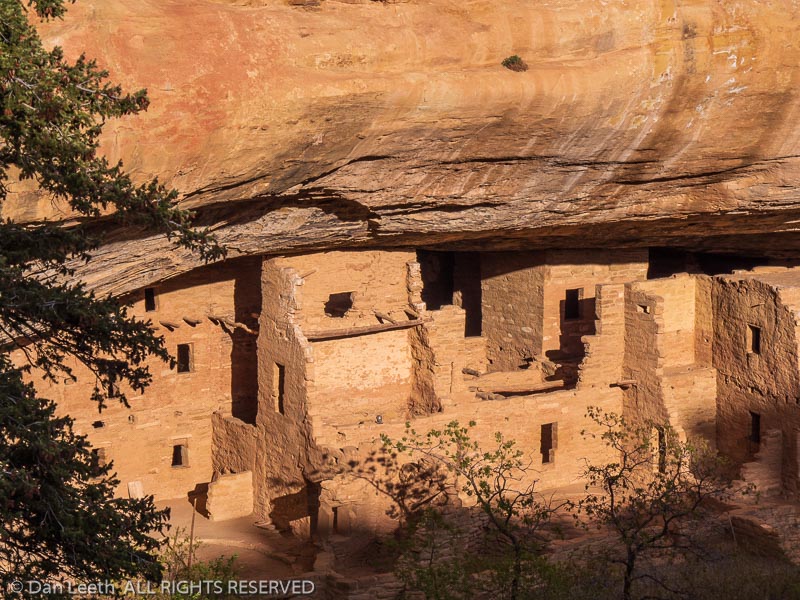
Spruce Tree House ruins, Chapin Mesa, Mesa Verde National Park, Colorado.
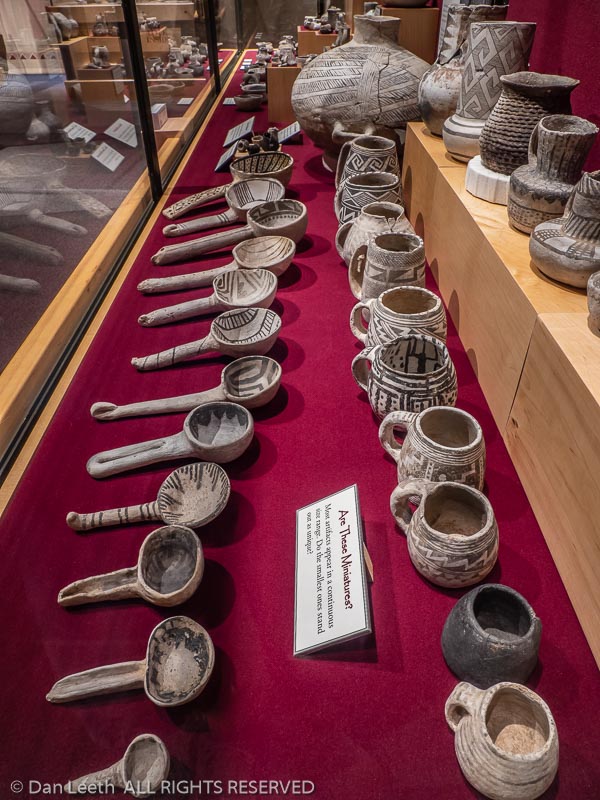
Ancestral Puebloan pottery, Anasazi Heritage Center, Dolores, Colorado.
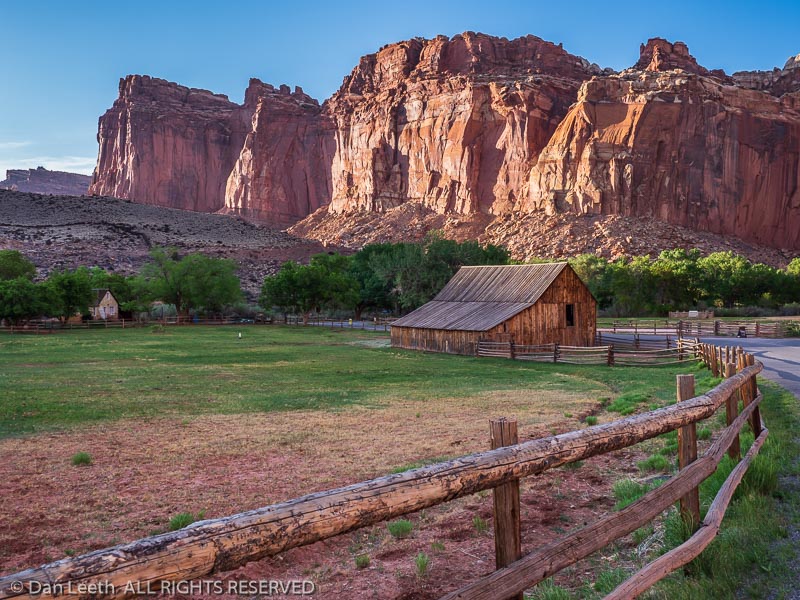
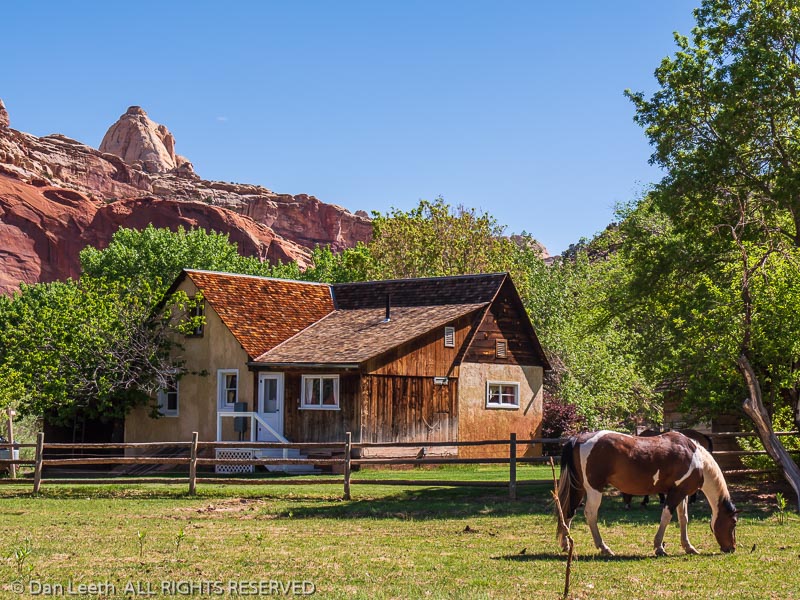
Barn at Gifford House, Capitol Reef National Park, Utah.
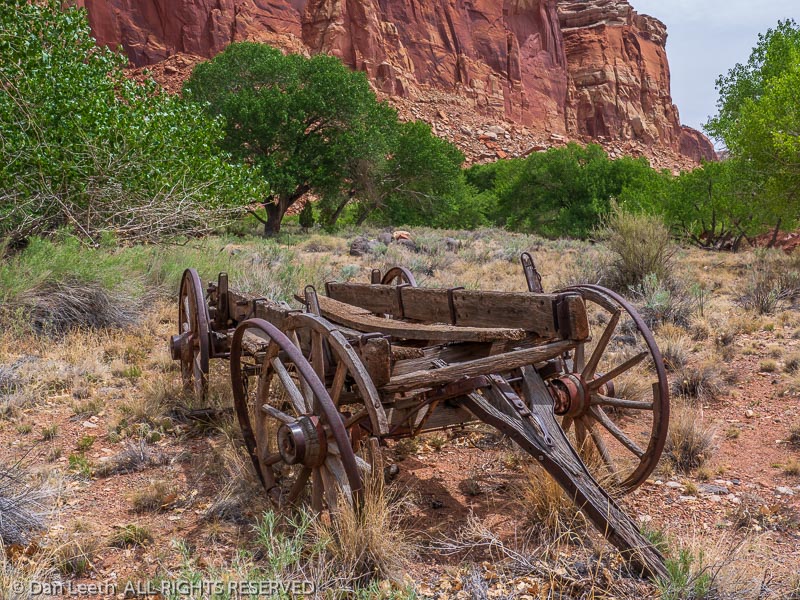
Old wagon near the Fremont River, Fruita, Capitol Reef National Park, Utah.
Barn at Gifford House, Capitol Reef National Park, Utah.
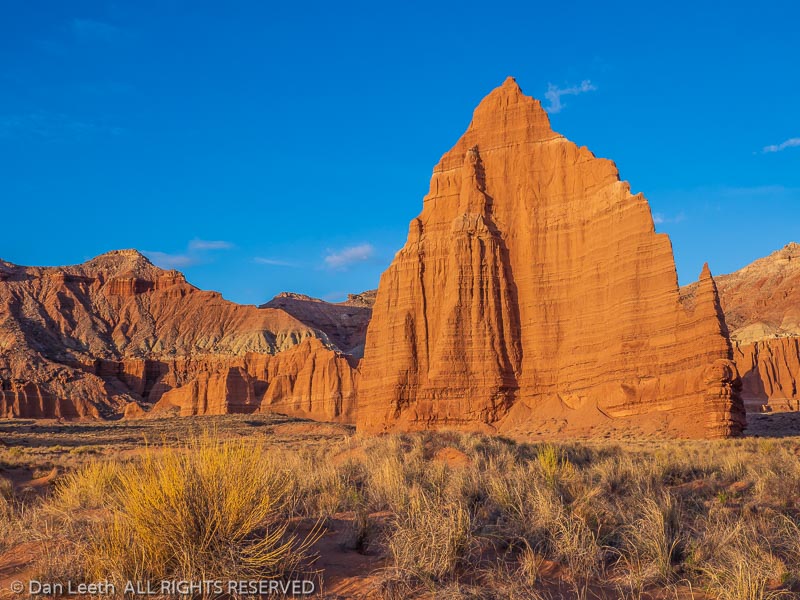
Temple of the Moon, Cathedral Valley, Capitol Reef National Park, Utah.
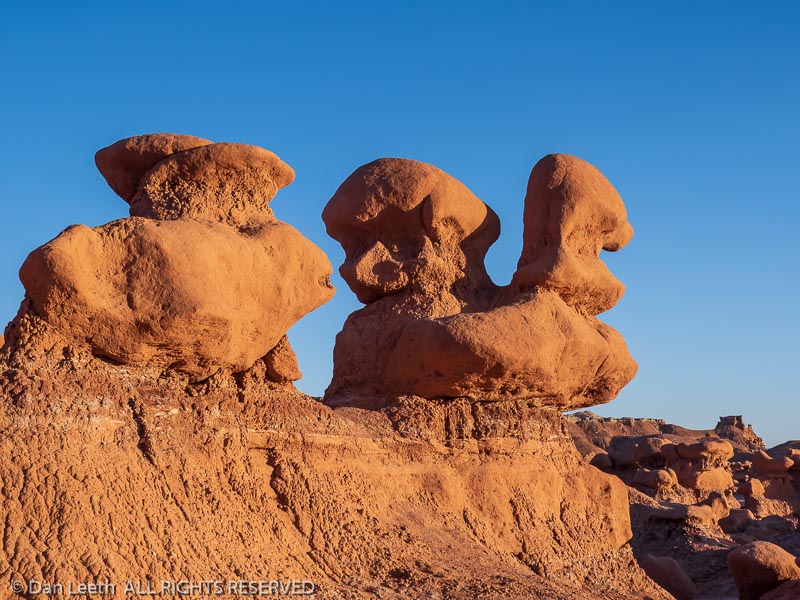
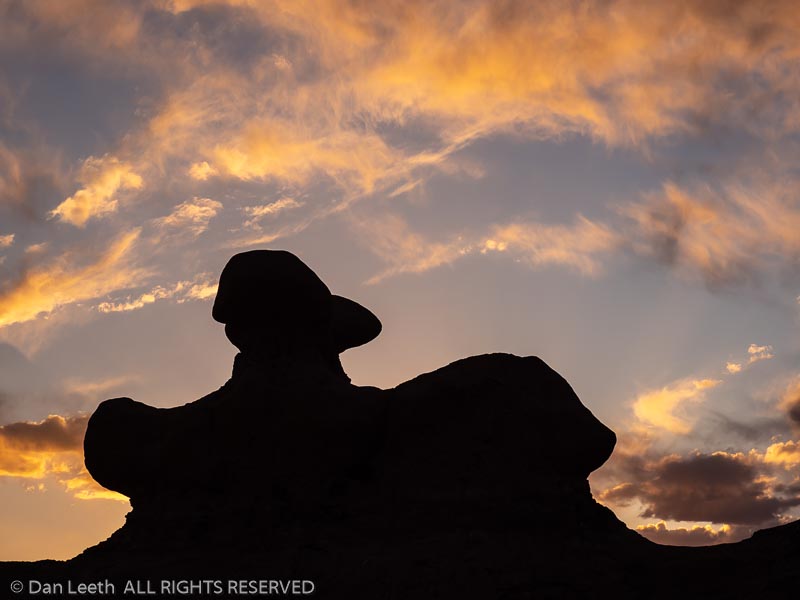
Hoodoos, Goblin Valley State Park, Hanksville, Utah.
Sunset behind a hoodoo, Goblin Valley State Park, Utah.
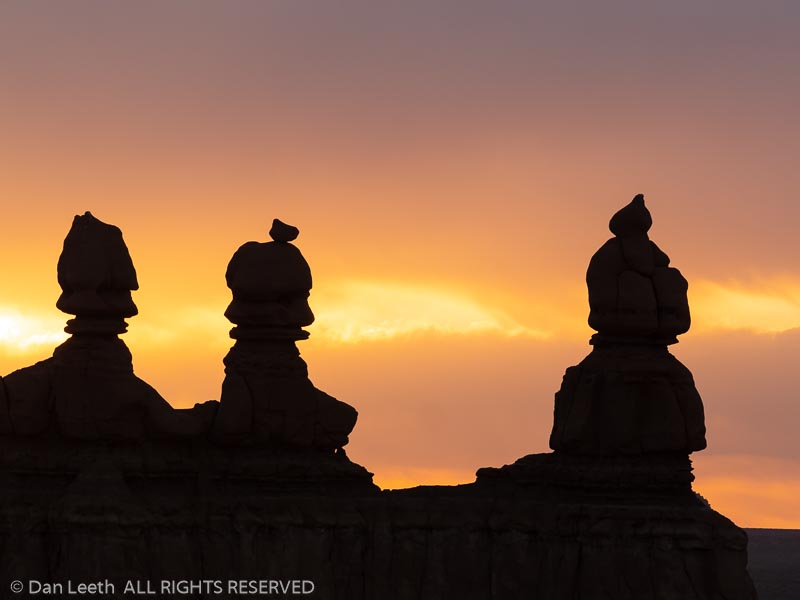
Sunrise behind the Three Sisters, Goblin Valley State Park, Utah.
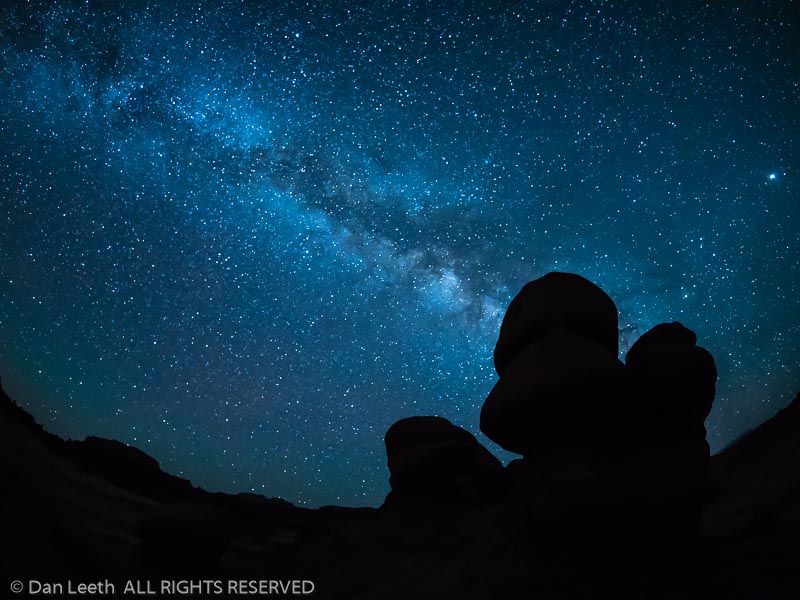
Milky Way over the hoodoos, Goblin Valley, Goblin Valley State Park, Hanksville, Utah.

Shakedown Cruise

First trip of the year, and this time with a new tow vehicle.  Since we bought the trailer, we’ve been pulling it with our old, trustworthy Nissan Xterra.  It had a tow rating of 5,000 pounds, which was more than enough to handle our 1,854-pound Rockwood.  The problem was that it was a stick-shift.

In 52 years of driving, I’ve owned only one car with an automatic.  That was back in the ‘70s with wife number one.  We bought a Chevy with a V-8 engine and a column-shift automatic, my now ex-spouse was so thrilled with it, she soon ran off with a used car salesman.  Best thing that ever happened to me.

I like manual transmissions, but not for pulling trailers.  The Xterra towed fine down the highway, but was not fun in stop-and-go traffic nor if we stopped on an uphill.

The biggest problem, however, was backing into a campsite, especially if it had an uphill slope to it.  Moving slowly required slipping the clutch and more than once we ended up smelling the pungent aroma of a burning clutch.

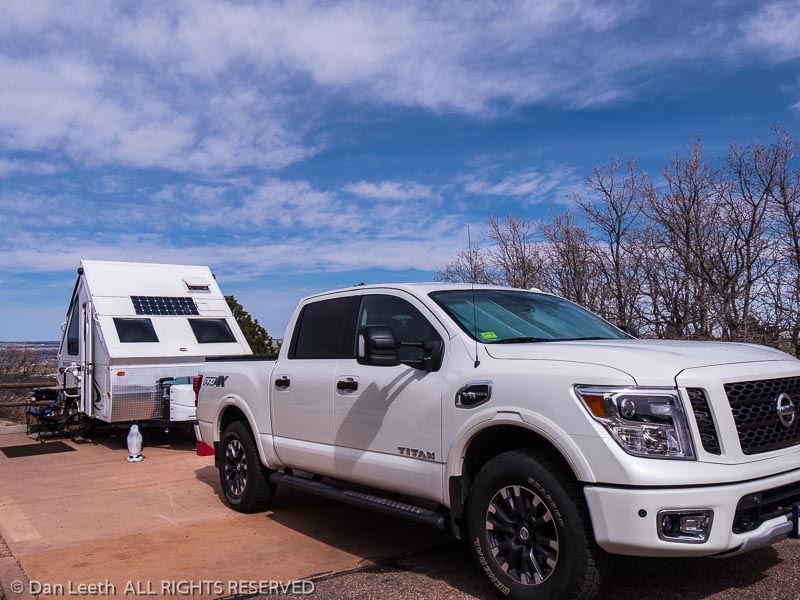
When we had to have the clutch replaced at less than 80,000 miles, I decided the stick-shift had to go.  This winter, we were offered a splendid deal on a brand-new Nissan Titan crew-cab pickup with a seven-speed, automatic tranny.  So, we went that route.

It’s white so we named our Titan “Tighty.”  It’s first tow trip was to haul the trailer down to Cheyenne Mountain State Park outside of Colorado Springs.

This was our second visit to this state park, which we really like.  It’s 60 miles from home and has lots of full-hookup sites.  At night we look down on the lights of Colorado Springs, and we hear Reveille and Taps broadcast daily from the Fort Carson army base located just below the mountain.

With a trip to the Four Corners region of Colorado and Utah upcoming, we wanted to check everything out both on the trailer and on the truck.  As for the trailer, we found we had forgotten a few camping items, but all else seemed to be in good working order.  On the truck, we discovered the tailgate was hitting the jack post, a problem we easily solved with a longer ball mount on the hitch receiver.

Best of all, Cheyenne Mountain State Park offers 21 miles of hiking trails, allowing us to discover what condition our condition was in.  Let’s just say there’s work to be done on that front.

Planning ahead

Decades ago, Dianne and I traveled three months through Europe armed with little more than a Eurail pass and knapsack full of clothes. Our itinerary was determined by what felt good and where the next train ran. Serendipity ruled.

That’s changed.

This summer, we will be doing a four-month, trailer camping trip through Canada, motoring from Vancouver Island on the Pacific to Newfoundland on the Atlantic. We plan to camp principally in national and provincial parks along the way, and with Canadian national parks celebrating the country’s 150th anniversary with free admission, campgrounds will be even more crowded than normal.

To get a decent site (or get any site at all) we have to book campsites the minute reservation windows open. That means blindly planning a detailed, 122-day itinerary months in advance.

So much for serendipitous travel.

Canada camping reservations

Sometimes it pays to not listen to the experts.

I asked members of an A-frame Facebook group how far in advance we should reserve RV park campsites in Canada this summer. One Canadian camper suggested that he never made reservations and was always able to get a site.

Well, that may be true if one doesn’t mind that the only campsite left is immediately downwind of a pit-toilet.  But we have our standards.

I spent hours studying campground maps and photos trying to find perfect sites, which we reserved the instant reservations opened.

Others obviously are doing the same thing. In many cases, I went back online an hour after reservations opened and found those campgrounds had few unreserved sites left.

As for camping between parks, my Canadian expert suggested that if we can’t find space, we should just ask locals if we can camp in their yards.

With that in mind, we’d appreciate it if those of you living in the Great White North would give us your addresses. We’ll need a restroom and showers, and the gray water dumped from our sink should do wonders for your petunias.